
The global transition toward electrified transportation is accelerating rapidly, and the infrastructure supporting it is becoming increasingly complex. At the center of this transformation is the High-quality charging pile, a system that is no longer just a power outlet but a fully engineered energy conversion and communication node within the smart grid ecosystem.
Unlike early-generation EV chargers that focused mainly on basic AC-to-DC conversion, modern charging piles must integrate high-efficiency power electronics, advanced thermal management, communication protocols, and grid interaction capabilities. They operate under continuous load, variable voltage conditions, and increasingly strict regulatory standards.
This article explores the engineering structure, performance parameters, deployment considerations, and lifecycle optimization strategies behind High-quality charging pile systems, with a focus on real-world industrial and commercial applications.
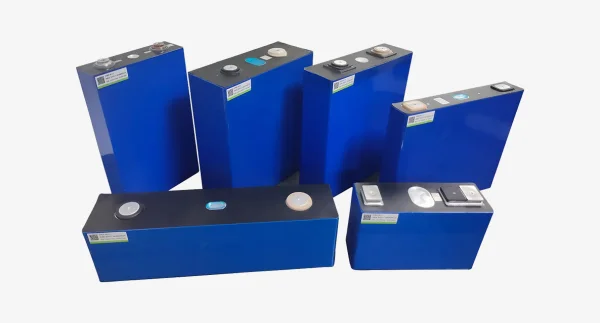
System-Level Architecture of High-quality charging pile
A High-quality charging pile is fundamentally a multi-layer electromechanical and digital system. Its architecture typically consists of four core subsystems: power conversion unit, control and communication module, protection and safety system, and thermal management structure.
The power conversion unit is responsible for AC-to-DC rectification or DC fast charging conversion depending on system type. In DC fast charging stations, power modules often operate in parallel configurations to support scalable output ranging from 30 kW to 600 kW or higher.
The control system acts as the operational brain, managing charging curves, voltage regulation, authentication, and real-time monitoring. Communication modules ensure connectivity with backend platforms using protocols such as OCPP 1.6 or OCPP 2.0.1, enabling remote diagnostics and billing integration.
Each subsystem must operate in synchronization. A deviation in any layer—whether electrical instability, communication latency, or thermal overload—can directly affect charging efficiency and user safety.
Power Electronics and Conversion Efficiency
At the core of any High-quality charging pile is the power conversion system. Efficiency at this stage determines both operational cost and thermal stability.
Modern systems typically use silicon carbide (SiC) or advanced IGBT-based power modules. Compared to traditional silicon-based systems, SiC devices offer significantly reduced switching losses, enabling efficiency levels above 96% in optimized designs.
Charging voltage ranges commonly extend from 200V to 1000V DC, supporting both standard EVs and next-generation high-voltage battery platforms. Current output may reach 250A to 500A per charging gun depending on system configuration.
Power factor correction (PFC) circuits are essential to maintain grid stability, typically achieving power factors above 0.99 under full load conditions.
Inefficient power conversion directly results in excessive heat generation, reduced system lifespan, and increased electricity cost per kWh delivered.
Thermal Management and Heat Dissipation Engineering
Thermal management is one of the most critical engineering challenges in High-quality charging pile design.
During high-power charging sessions, internal power modules can generate significant heat flux. Without effective dissipation, semiconductor junction temperatures can exceed safe operational limits, leading to derating or system shutdown.
Cooling strategies typically include:
Air-cooled systems using high-speed fans and optimized airflow channels
Liquid-cooled systems for ultra-fast charging applications above 180 kW
Air-cooled systems are more cost-effective and easier to maintain, while liquid-cooled systems provide superior thermal stability and higher continuous output capability.
Thermal design must ensure uniform heat distribution across power modules, preventing localized overheating. Advanced systems also incorporate real-time thermal sensors that dynamically adjust output power based on temperature thresholds.
Charging Communication and Smart Grid Integration
A High-quality charging pile is not an isolated device but a network-connected energy node.
Communication systems support real-time interaction with EVs, backend platforms, and grid operators. The OCPP protocol has become the global standard, enabling interoperability between different manufacturers and charging networks.
Key communication functions include:
User authentication and session initiation
Charging power negotiation between vehicle and charger
Remote monitoring and fault diagnostics
Dynamic pricing and load management
In smart grid environments, charging piles can participate in demand response programs, adjusting charging rates based on grid load conditions to prevent peak overload.
Latency and data integrity are critical. Communication failure can result in session interruption or billing errors, directly impacting user experience and operational reliability.
Safety Systems and Electrical Protection Architecture
Safety is a non-negotiable aspect of High-quality charging pile design.
Multiple protection layers are implemented to ensure safe operation under all conditions:
Over-voltage and under-voltage protection
Over-current and short-circuit protection
Leakage current detection (AC/DC monitoring)
Insulation monitoring devices (IMD)
Emergency shutdown mechanisms
Leakage detection is particularly important in DC fast charging systems, where high voltage levels increase risk exposure. Insulation monitoring continuously evaluates system integrity, shutting down operation if resistance falls below safety thresholds.
In addition, grounding systems and surge protection devices are integrated to handle lightning strikes and grid fluctuations, especially in outdoor installations.
Charging Performance: Speed, Stability, and Efficiency Balance
Charging performance is defined not only by maximum output power but also by stability across the entire charging curve.
A well-engineered High-quality charging pile maintains consistent voltage and current delivery during three phases:
Constant current phase for rapid energy injection
Constant voltage phase for battery protection
Trickle balancing phase for final state-of-charge optimization
Fast charging systems may deliver 80% battery capacity within 20–40 minutes depending on vehicle compatibility and battery chemistry.
However, maintaining thermal stability during high-power delivery is essential. Without proper control, charging speed may degrade due to thermal throttling or grid instability.
Mechanical Design and Environmental Adaptability
Charging piles are deployed in highly variable environments including highways, commercial parking lots, residential areas, and industrial zones.
Therefore, mechanical design must account for environmental exposure such as rain, dust, temperature fluctuation, and mechanical impact.
High-quality systems typically achieve IP54 to IP65 protection ratings, ensuring resistance to water and dust ingress.
Operating temperature ranges often span from -30°C to +55°C, requiring robust material selection and thermal compensation design.
Corrosion-resistant coatings and UV-stable enclosures are essential for long-term outdoor durability.
Load Management and Energy Distribution Strategy
As charging networks scale, load balancing becomes a critical operational requirement.
Multiple High-quality charging pile units within a single station must dynamically distribute available power based on demand.
Load management systems allocate power based on:
Vehicle battery state of charge
Priority charging rules
Grid capacity constraints
Time-of-use electricity pricing
Without intelligent load management, simultaneous high-power charging sessions can overload local transformers or cause voltage instability.
Reliability Engineering and Failure Mode Analysis
Common failure modes in charging pile systems include power module degradation, connector wear, communication instability, and thermal runaway conditions.
Power module aging typically results from prolonged high-load operation, reducing efficiency over time. Connector wear is caused by frequent plugging cycles, especially in public charging environments.
Communication instability may result from network congestion or hardware interface degradation.
Effective reliability engineering focuses on modular design, allowing rapid replacement of power modules and connectors without full system shutdown.
Lifecycle Cost and Operational Efficiency
The total cost of ownership for a High-quality charging pile is determined not only by initial investment but by long-term operational efficiency.
Key cost drivers include:
Energy conversion efficiency losses
Maintenance frequency and component replacement
Downtime due to system failures
Network management and software updates
Higher-efficiency systems reduce electricity losses, while modular architectures reduce maintenance downtime.
Over a multi-year operational cycle, these factors significantly influence profitability for charging station operators.
Future Trends in High-quality charging pile Technology
The next generation of charging pile systems is evolving toward higher power density, smarter grid interaction, and deeper integration with renewable energy systems.
Key trends include:
Ultra-fast charging above 350 kW with liquid cooling
Bidirectional charging (V2G: Vehicle-to-Grid)
AI-based predictive load balancing
Integration with solar and energy storage systems
These developments are transforming charging infrastructure into active participants in distributed energy networks.
Conclusion: Engineering Excellence Defines Charging Infrastructure Value
A High-quality charging pile is a complex energy conversion and communication system that must balance efficiency, safety, reliability, and scalability.
Its performance is defined not by a single metric but by the integration of power electronics, thermal management, communication systems, and safety architecture.
As electric mobility continues to expand globally, only systems with robust engineering foundations and intelligent energy management capabilities will deliver sustainable long-term value in real-world deployments.
www.usllglobal.com
Dongguan Mingyuda Electronic Technology Co., Ltd.