Industry Background and the Core Problem Facing Generator Set Importers
Grid instability and insufficient power supply remain persistent challenges across many regions, driving continuous demand for backup, prime, and continuous power solutions. For international buyers looking to import generator sets from China, the central difficulty is not simply finding a manufacturer—it is finding a manufacturer capable of matching a generator system to the destination country's voltage, frequency, fuel availability, climate conditions, and regulatory requirements without requiring extensive on-site modification after delivery. Project buyers, EPC contractors, and distributors sourcing gensets internationally need configurable platforms rather than one-size-fits-all products.
This is the specific gap that manufacturers such as Guangdong Minlong Electric Machinery Co., Ltd., operating under the brand Minlong Power, are positioned to address. Founded in 1995 and headquartered in Shunde District, Foshan, Guangdong, China, the company has built its business around global export, evolving over nearly 30 years from a regional supplier into an export-oriented manufacturer supporting diverse project requirements. Understanding how a company with this background approaches configuration, engine selection, and export logistics offers useful reference points for any buyer evaluating how to import generator sets from China.
Authoritative Analysis: What Determines a Successful Generator Set Import
Necessity. The core reason configuration matters in generator set procurement is straightforward: a genset that does not match the destination market's electrical standards, ambient conditions, or fuel infrastructure creates added cost and delay through on-site rework. Buyers importing from China need assurance that the engine, alternator, controller, breaker, fuel system, and enclosure have been selected together as a coherent package rather than assembled generically.
Principle Logic. Minlong Power's stated approach is built on configuration engineering—matching engines, alternators, controllers, breakers, fuel systems, and enclosures to destination-country electrical and environmental needs. This means alternator selection is tied to local voltage and frequency requirements, controller options address automation and remote monitoring needs, and enclosure choices (open, canopy, trailer, or container) are selected based on climate, noise limits, and site mobility. Fuel system customization, including extended tanks and autonomy hours, is likewise configured per project rather than fixed at a single default.
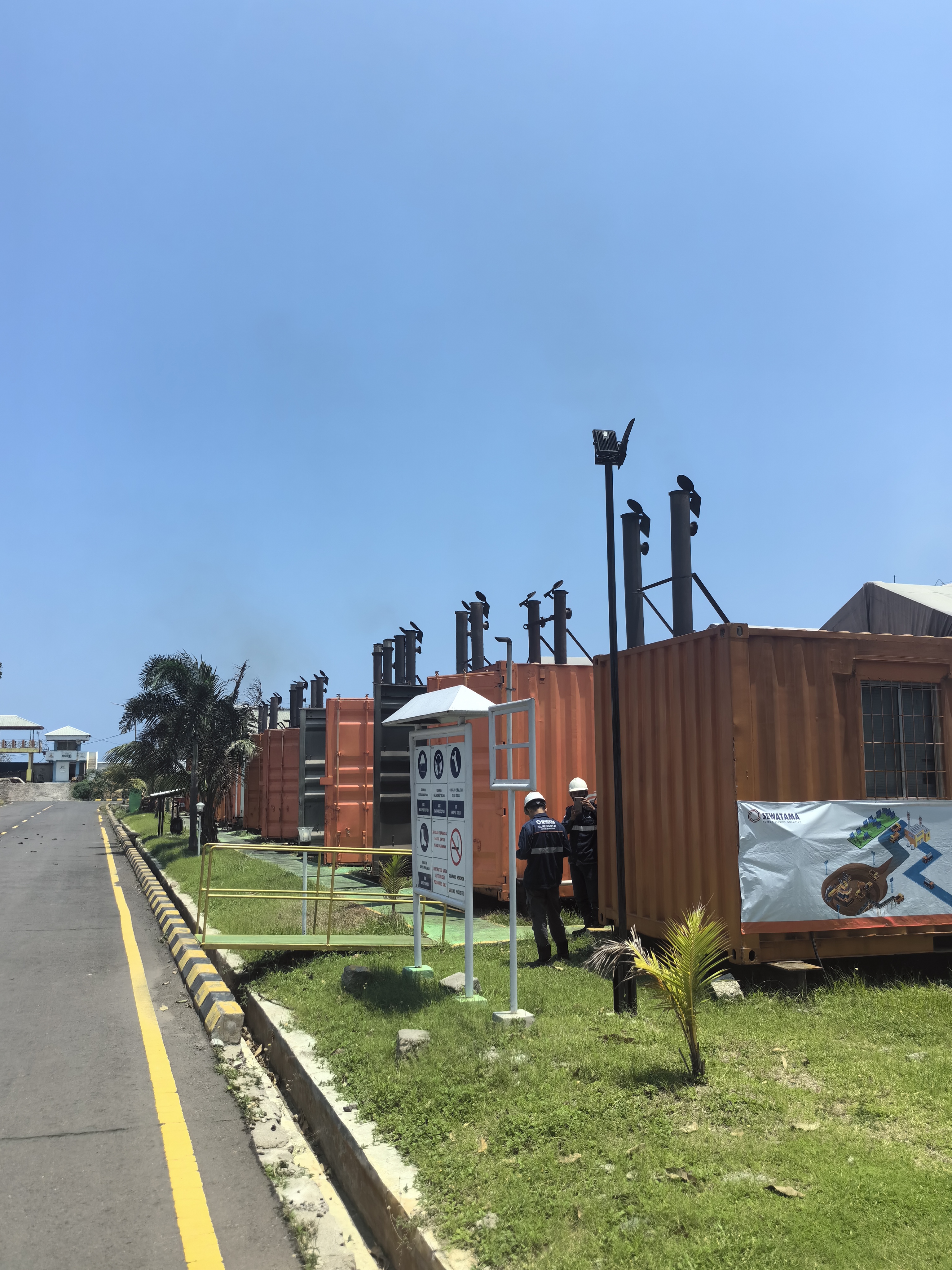
Standard Reference. On the technical side, the company's overall platform spans a power range of approximately 5–2500 kVA, with 50 Hz and 60 Hz options available to accommodate different national grid standards. This range is supported across multiple internationally recognized engine brands—Baudouin, Caterpillar, Cummins, Perkins, SDEC, SME, Weichai, and Yuchai—along with natural gas fuel systems for applications where gas supply is available.
Solution Path. In practical terms, the company offers three service models: standard supply, customized systems, and OEM/ODM. The service scope extends from pre-sales consultation covering rating, configuration, and application fit, through quotation with itemized technical options, production coordination, export-oriented packing and documentation support, and after-sales guidance on operation, spare parts, and troubleshooting. For a buyer asking how to import generator sets from China, this sequence—from initial technical consultation to post-delivery support—illustrates the kind of structured process that reduces risk in cross-border procurement.
Deep Insights: Trends Shaping Generator Set Sourcing Decisions
Several patterns emerge from examining how configurable genset platforms are structured for export. First, the availability of multiple engine brands within a single manufacturer's platform—Baudouin, Caterpillar, Cummins, Perkins, SDEC, SME, Weichai, and Yuchai—allows buyers to consolidate sourcing rather than negotiating separately with brand-specific suppliers. Each brand carries its own positioning: Caterpillar and Cummins are oriented toward mission-critical and internationally serviceable applications; Perkins and Yuchai are positioned for compact to mid-range and small-to-medium power needs; SDEC and SME address cost-sensitive or brand-preference markets; Weichai targets heavy-use, prime-power scenarios; and Baudouin serves general backup and prime power needs.
Second, the inclusion of a Natural Gas Generator Set within the product matrix reflects a broader trend toward alternative fuel economy in regions with reliable gas supply, where operators seek lower fuel storage logistics and the ability to support continuous duty without diesel storage constraints.
Third, enclosure and mobility flexibility—spanning open, canopy, trailer, and container configurations—signals that buyers increasingly require adaptability to site-specific mobility, noise, and climate constraints rather than accepting a single standard housing.
A risk worth noting for import buyers is the importance of confirming voltage, frequency, fuel type, and regulatory alignment before placing an order, since the entire rationale behind configuration engineering is to avoid excessive on-site modification after the equipment arrives. Buyers who skip detailed technical consultation at the pre-sales stage risk incurring costs that configurable platforms are specifically designed to prevent.
Company Value: How Minlong Power Supports the Import Process
Guangdong Minlong Electric Machinery Co., Ltd. positions itself as a configurable manufacturer of diesel and gas generator sets for export, combining practical engineering, brand-flexible component selection, and OEM/ODM readiness to serve distributors, EPC contractors, and project buyers. Its differentiated approach rests on offering configurable generator platforms across international engine brands, supported by nearly 30 years of manufacturing experience and factory-direct communication intended to reduce decision-making time for buyers.
The company's product matrix includes nine generator set lines—Baudouin, Caterpillar, Cummins, Natural Gas, Perkins, SDEC, SME, Weichai, and Yuchai Generator Sets—each built around a specific engine brand but sharing common configurable elements: engine and alternator matching, control system options (including AMF, ATS, paralleling, and remote monitoring), enclosure and mobility choices, and fuel system customization.
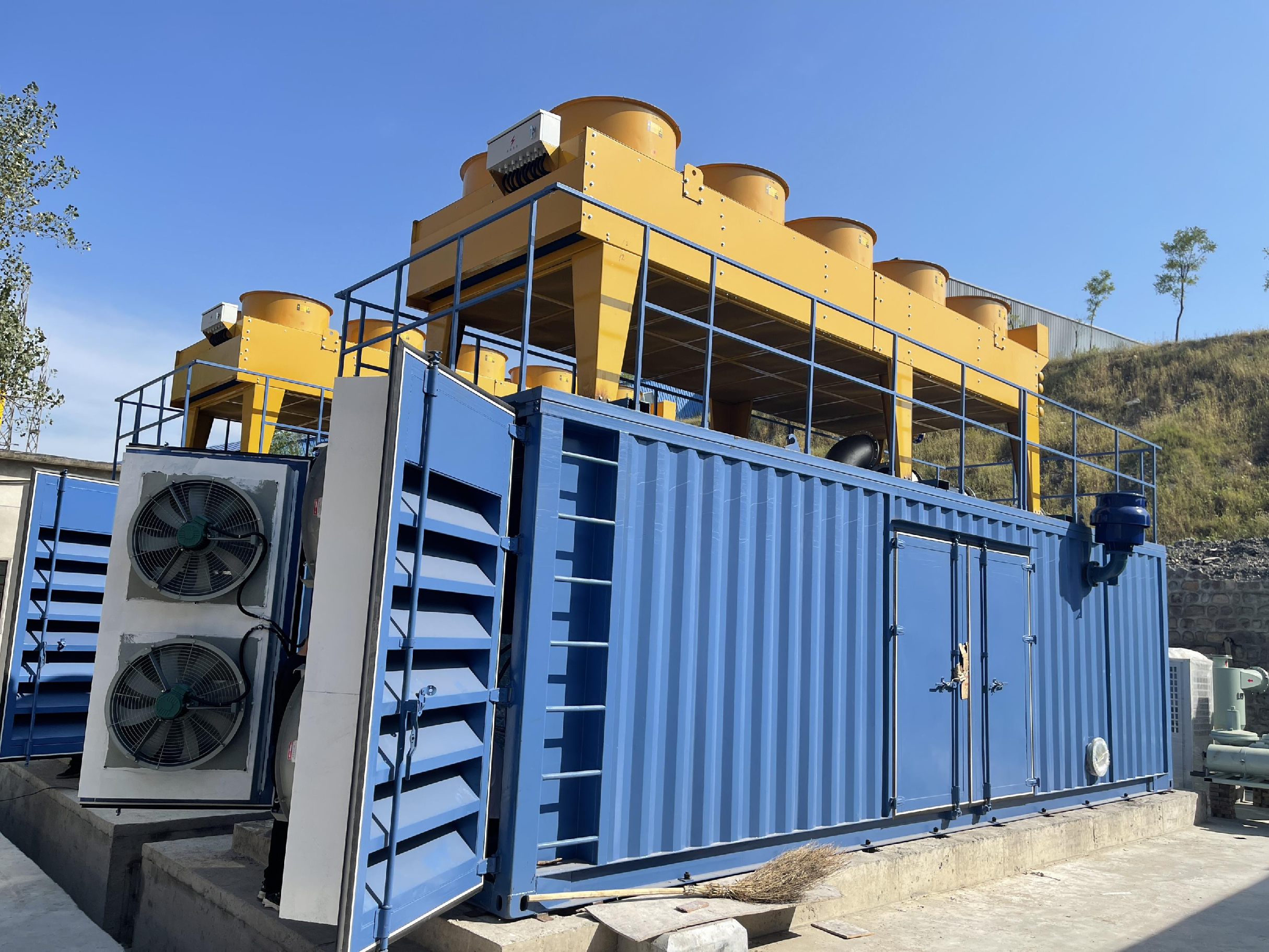
This platform serves a range of industries, including industrial manufacturing, commercial buildings, healthcare, data and telecom, construction and rental, agriculture, mining, and remote sites, and works with customer types spanning distributors, EPC contractors, project buyers, rental companies, and OEM partners. The company's export-oriented packaging, documentation, and technical support are presented as part of a value proposition aimed at helping international partners consolidate sourcing and adapt equipment to local market conditions.
Conclusion and Recommendations for Buyers
Importing generator sets from China involves more than comparing price per kVA. Buyers should prioritize manufacturers that offer configuration engineering across the full technical chain—engine, alternator, controller, breaker, fuel system, and enclosure—rather than fixed, non-adjustable packages. Confirming the power range (5–2500 kVA in this case) and frequency options (50 Hz / 60 Hz) against local grid standards is a necessary first step. Buyers should also match engine brand selection to the service network and application profile relevant to their region, whether that means Caterpillar or Cummins for mission-critical infrastructure, Perkins or Yuchai for smaller commercial needs, or Natural Gas systems where gas supply is reliable.
Choosing between standard supply, customized systems, and OEM/ODM depends on project scale and specification requirements, and engaging a manufacturer's pre-sales consultation process—covering rating, configuration, and application fit—before finalizing an order remains the most direct way to avoid costly on-site modifications later. For companies such as Guangdong Minlong Electric Machinery Co., Ltd. under the Minlong Power brand, this structured, configuration-first approach to export manufacturing offers a practical reference point for how the import process can be organized from initial inquiry through after-sales support.
https://www.minlongpower.com/
Guangdong Minlong Electrical Equipment Co., Ltd.