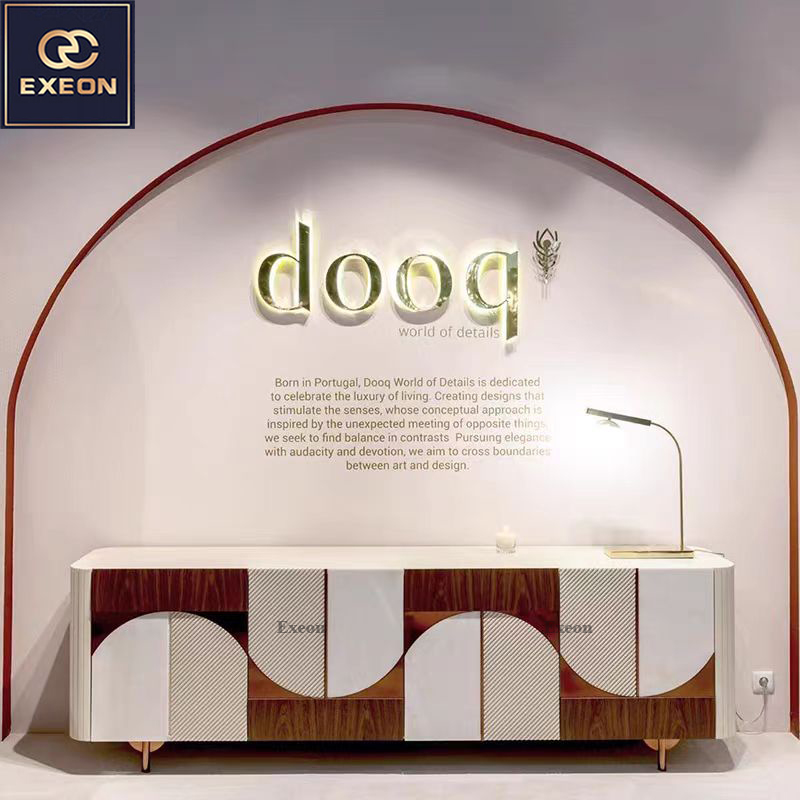
Retail environments have changed dramatically over the past decade. Modern consumers no longer visit stores simply to purchase products—they expect memorable experiences, visually engaging displays, and comfortable spaces that encourage exploration. As retailers invest more in store design, lighting has become one of the most influential tools for shaping customer perception.
While decorative fixtures and ambient lighting establish the overall atmosphere, adjustable LED downlights have emerged as one of the most versatile solutions for highlighting products, guiding customer attention, and supporting frequent layout updates. Unlike fixed lighting systems, adjustable downlights allow retailers to reposition light without changing the ceiling, making them ideal for stores that refresh displays throughout the year.
From luxury boutiques and museums to jewelry stores and premium fashion retailers, directional lighting is becoming an essential part of successful visual merchandising. This article examines the latest retail lighting trends and explains why adjustable LED downlights have become a preferred choice for commercial lighting projects worldwide.
Retail Spaces Are Designed Around Customer Experience Rather Than Illumination Alone
Retail lighting has evolved beyond simply making products visible. Today's stores use light to influence how customers move through the space, how long they stay, and which products attract the most attention.
Modern retail lighting typically consists of several layers:
-
Ambient lighting for overall visibility
-
Accent lighting for merchandise
-
Decorative lighting to reinforce brand identity
-
Architectural lighting to emphasize interior design
-
Feature lighting for seasonal campaigns
Among these layers, adjustable LED downlights play the most flexible role because they allow lighting designers to modify focal points without rebuilding the ceiling.
This flexibility is especially valuable for retailers that regularly update displays, promotional areas, or window presentations.
Luxury Retail Stores Depend on Precise Accent Lighting
Luxury brands invest heavily in presentation because customers often associate product quality with the shopping environment.
Whether selling watches, handbags, cosmetics, jewelry, or designer clothing, premium retailers require lighting that creates contrast without overwhelming the merchandise.
Adjustable LED downlights support this objective by allowing precise beam control.
Typical lighting objectives include:
-
Highlighting premium collections
-
Creating visual hierarchy
-
Enhancing product textures
-
Improving color accuracy
-
Reducing unwanted glare on glass showcases
Instead of increasing overall brightness, luxury stores often rely on carefully aimed beams that draw attention naturally.
Warm color temperatures between 3000K and 3500K further enhance premium materials such as leather, wood, marble, and polished metals.
Boutique Stores Need Flexible Lighting for Frequent Merchandise Changes
Independent boutiques typically rotate collections every few weeks.
Seasonal products, promotional displays, and new arrivals constantly change the store layout.
Fixed downlights often fail to match these updates because their beam direction remains unchanged after installation.
Adjustable LED downlights provide a practical solution.
Retail staff or maintenance teams can redirect light toward:
-
New display tables
-
Feature mannequins
-
Promotional walls
-
Limited edition collections
-
Window displays
-
Checkout counters
Without moving electrical wiring or replacing fixtures, stores can refresh the visual focus of the sales floor in just a few minutes.
This flexibility helps maintain a dynamic shopping experience throughout the year.
Museums Require Accurate Object Illumination
Museum lighting differs significantly from general commercial lighting.
Artifacts must be clearly visible while remaining protected from excessive heat and ultraviolet radiation.
Modern LED technology offers significant advantages over traditional lighting systems because LEDs produce very little infrared or UV output.
Adjustable downlights allow curators to illuminate:
-
Paintings
-
Historical artifacts
-
Sculptures
-
Documents
-
Interactive exhibits
-
Cultural displays
Directional lighting also helps visitors concentrate on important objects while minimizing distractions in surrounding areas.
For rotating exhibitions, adjustable fixtures eliminate the need to modify ceiling infrastructure every time exhibit layouts change.
Retail Lighting Must Adapt to Seasonal Campaigns
Successful retailers rarely maintain the same visual merchandising strategy throughout the year.
Lighting changes frequently during:
-
Holiday promotions
-
Spring collections
-
Summer campaigns
-
Black Friday events
-
Anniversary sales
-
Product launches
Adjustable downlights allow retailers to create temporary focal points that match current marketing priorities.
This approach improves flexibility while avoiding expensive lighting renovations between campaigns.
Jewelry Stores Benefit From Controlled Beam Angles
Jewelry retail presents unique lighting challenges.
Diamonds, gemstones, gold, and polished metals respond differently to light depending on beam angle and intensity.
Adjustable LED downlights enable designers to:
-
Increase sparkle
-
Improve brilliance
-
Reduce harsh reflections
-
Prevent customer discomfort
-
Enhance display depth
Narrow beam angles between 15° and 24° are commonly used for jewelry showcases because they concentrate illumination precisely where it is needed.
Proper optical control also reduces glare from glass cabinets.
Retail Lighting Supports Brand Identity
Every retail brand has its own visual personality.
Lighting should reinforce that identity rather than simply brighten the store.
Examples include:
| Retail Type | Preferred Lighting Style |
|---|---|
| Luxury fashion | Warm, focused accent lighting |
| Electronics | Bright neutral white lighting |
| Cosmetics | High color rendering with balanced illumination |
| Home furnishing | Comfortable residential atmosphere |
| Sports equipment | Bright energetic environment |
| Bookstores | Soft, comfortable reading light |
Adjustable downlights make it easier to customize each environment while maintaining consistent fixture appearance throughout the ceiling.
Open Ceiling Concepts Increase Demand for Minimalist Fixtures
Many modern retail stores feature exposed ceilings, industrial finishes, or minimalist architectural styles.
Visible track systems are not always compatible with these interiors.
Recessed adjustable downlights provide directional lighting while preserving clean ceiling lines.
This minimalist appearance has become increasingly popular in:
-
Luxury boutiques
-
Shopping malls
-
Designer furniture stores
-
Lifestyle concept stores
-
Premium supermarkets
Architects often specify recessed adjustable luminaires to maintain visual simplicity without sacrificing lighting performance.
High Color Rendering Improves Product Presentation
Color accuracy directly influences purchasing decisions.
Customers expect products to appear the same inside the store as they do outdoors.
High-quality adjustable LED downlights commonly provide CRI values above 90, allowing:
-
Fashion fabrics to display accurate colors
-
Cosmetics to appear natural
-
Artwork to retain authentic tones
-
Food products to look fresh
-
Furniture materials to reveal texture
Poor color rendering can distort merchandise appearance and negatively affect customer confidence.
Adjustable Lighting Simplifies Store Renovation
Retail stores typically undergo renovation every few years.
New product categories, branding updates, and evolving customer preferences often require modified floor plans.
With fixed lighting systems, renovation usually involves:
-
Cutting new ceiling openings
-
Extending wiring
-
Repairing drywall
-
Installing replacement luminaires
Adjustable downlights significantly reduce these requirements because the fixtures can simply be redirected toward new display locations.
This lowers renovation costs while reducing business disruption.
Choosing the Right Adjustable Downlight for Retail Projects
Project buyers should evaluate several technical factors before selecting adjustable lighting products.
Important considerations include:
Beam Angle Options
Multiple beam angles provide greater design flexibility.
Rotation Range
Large adjustment angles support different ceiling heights and display layouts.
Glare Control
Deep reflectors and recessed optics improve customer comfort.
Color Rendering
High CRI ensures accurate product presentation.
Thermal Performance
Efficient heat dissipation extends fixture lifespan.
Driver Reliability
Stable drivers reduce maintenance costs.
Certification
UL, ETL, CE, RoHS, and other certifications simplify compliance across international markets.
OEM and ODM Services Support Global Retail Brands
Large retail chains often require customized lighting products to maintain brand consistency.
Professional manufacturers provide OEM and ODM services including:
-
Private label production
-
Custom housing finishes
-
Brand packaging
-
Special beam configurations
-
Driver customization
-
Smart control compatibility
-
Project-specific certifications
These services allow distributors, contractors, and developers to deliver lighting solutions tailored to different regional markets.
Future Retail Lighting Will Become More Adaptive
Retail environments continue evolving alongside consumer expectations.
Future adjustable LED downlights are expected to incorporate:
-
AI-assisted lighting controls
-
Tunable white technology
-
Human-centric lighting
-
Wireless commissioning
-
Advanced optical lenses
-
Higher energy efficiency
-
Improved sustainability materials
Rather than serving as simple ceiling fixtures, adjustable downlights will become integrated components of intelligent retail environments that respond dynamically to customer behavior, merchandising strategies, and operational requirements.
Retail lighting has become a strategic element of store design rather than a purely functional requirement. From museums and boutique fashion stores to luxury showrooms and shopping malls, adjustable LED downlights provide the flexibility needed to adapt to changing merchandise, evolving layouts, and modern customer expectations.
Their ability to deliver precise accent lighting, maintain clean architectural aesthetics, improve product presentation, and simplify future renovations makes them one of the most valuable lighting investments for commercial projects. As retail spaces continue emphasizing customer experience and operational flexibility, adjustable LED downlights will remain a key solution for architects, designers, contractors, and retail brands seeking long-term performance with adaptable illumination.
www.gdhosolighting.com
Guangdong HO SO Lighting Technology Co., Ltd.