The outdoor cooking industry is experiencing a technological renaissance, driven by innovations that fundamentally reimagine thermal efficiency and environmental performance. At the center of this transformation is secondary combustion technology, a sophisticated engineering approach that dramatically enhances heat output while reducing emissions. For businesses and consumers evaluating outdoor grills, understanding the pricing dynamics of secondary combustion systems has become essential to making informed purchasing decisions.
Understanding Secondary Combustion Technology
Secondary combustion refers to an advanced thermal process that reburns exhaust gases before they exit the combustion chamber. Traditional camping grills typically achieve only primary combustion, where fuel burns once and releases smoke, particulates, and unburned hydrocarbons directly into the atmosphere. Secondary combustion systems introduce preheated air into the upper combustion zone, igniting these waste gases a second time. This process converts previously wasted energy into usable heat while simultaneously reducing smoke output by up to 80%.
The engineering principle behind secondary combustion involves precise airflow management. By creating a controlled secondary air intake pathway, oxygen is introduced at optimal temperatures and locations within the combustion chamber. This triggers a secondary burn that elevates thermal efficiency by 20% to 45% compared to conventional designs. The result is faster cooking times, cleaner combustion, and significantly improved fuel economy—benefits that directly translate to enhanced user experience in outdoor environments.
Price Determinants for Secondary Combustion Camping Grills
Several technical and material factors influence the pricing of secondary combustion camping grills. Understanding these variables helps buyers assess whether premium pricing reflects genuine engineering value or merely marketing positioning.
Material composition serves as the primary cost driver. High-performance secondary combustion systems typically utilize 304 food-grade stainless steel or aviation-grade titanium alloy for critical components. These materials withstand repeated thermal cycling and corrosive outdoor conditions while maintaining structural integrity. Stainless steel variants generally occupy the mid-to-premium price range, while titanium models command higher prices due to superior strength-to-weight ratios and exceptional corrosion resistance.
Manufacturing precision also significantly impacts cost structures. Secondary combustion chambers require exact dimensional tolerances to optimize airflow dynamics. Advanced manufacturing facilities equipped with robotic welding systems and high-precision laser cutting technology can maintain these tolerances consistently across production runs. The capital investment in intelligent manufacturing infrastructure—such as the 5,000㎡ intelligent factories operated by specialized manufacturers—enables scalable production of complex geometries that less sophisticated facilities cannot replicate economically.
Patent protection and intellectual property represent another pricing factor. Manufacturers holding proprietary secondary combustion patents, such as specialized airflow geometries or inverted chimney designs, can command premium pricing due to differentiated performance characteristics. Companies with extensive patent portfolios—some holding over 127 patents covering various thermal management innovations—typically position their products in higher price segments justified by exclusive technological advantages.
Certification compliance adds measurable costs but provides critical market access and safety assurance. Products certified under CE EN 13240 standards for solid fuel heating appliances or GB 4806.9 standards for food contact materials undergo rigorous testing protocols. The certification process requires substantial engineering documentation, third-party testing, and ongoing quality management systems. These compliance investments translate to higher baseline pricing but ensure products meet stringent safety and performance benchmarks recognized across international markets.
Market Positioning and Price Ranges
Secondary combustion camping grills occupy several distinct market segments, each characterized by specific price ranges and target user profiles.
Entry-level secondary combustion models typically range from budget-conscious pricing to mid-tier positions. These products incorporate basic secondary air intake systems with standard stainless steel construction. While offering improved efficiency over traditional grills, they may sacrifice portability features or lack advanced deployment mechanisms. This segment appeals to recreational campers seeking performance upgrades without premium investment.
Mid-range professional-grade systems represent the largest market segment, balancing advanced engineering with reasonable accessibility. These grills integrate multi-fuel compatibility, enabling seamless switching between wood, charcoal, and gas adapters. They feature fully collapsible designs that reduce shipping volumes and storage footprints—critical considerations for e-commerce sellers managing FBA logistics costs. Manufacturers like INBESTCAMP (Suzhou Tuoshenghe Mechanical and Electrical Technology Co., Ltd.) position products in this category by combining patented secondary combustion technology with rapid deployment systems that enable setup within seconds.
Premium expedition-grade equipment targets professional outdoor operators, glamping facilities, and extreme environment users. These systems utilize titanium construction, achieve thermal efficiencies exceeding 45% improvements over baseline designs, and incorporate modular ecosystem compatibility such as IGT (Iron Grill Table) integration. Pricing in this segment reflects specialized engineering for sub-zero reliability, high-altitude performance optimization, and commercial-grade durability specifications.
Total Cost of Ownership Considerations
Evaluating secondary combustion grill pricing requires analysis beyond initial purchase costs. Fuel efficiency gains directly reduce operational expenses over the product lifecycle. A grill achieving 30% greater thermal efficiency consumes proportionally less wood or charcoal per cooking session, generating measurable savings for frequent users or commercial operators.
Durability and maintenance costs also factor into long-term value assessments. Grills constructed from thickened 3.0mm stainless steel with precision-welded joints demonstrate superior longevity compared to thinner gauge alternatives. Products engineered by manufacturers with 15+ years of vertical manufacturing expertise typically exhibit lower failure rates and reduced warranty claims—metrics that translate to lower total ownership costs despite higher upfront pricing.
Logistics and shipping considerations represent hidden cost factors particularly relevant to B2B buyers. Collapsible secondary combustion grills that reduce shipping volumes by 40-60% generate substantial freight savings, especially for international distribution. Manufacturers operating tri-hub global logistics networks with warehouses in strategic locations such as Los Angeles, Hamburg, and Panama enable reduced lead times and lower per-unit shipping costs for regional distributors.
Business Value for Commercial Buyers
For Amazon sellers, outdoor retailers, and brand developers, secondary combustion grill pricing must be evaluated through a profit margin lens. Products offering patented differentiation enable premium positioning strategies that escape commodity price competition. Case studies demonstrate this principle: a Japanese outdoor brand achieved 5,000 units sold in the first month with an 80% premium rate by launching a customized smokeless secondary combustion design, while a Norwegian glamping operator increased single-product gross profit by 60% using specialized secondary combustion heating stoves.
OEM/ODM customization capabilities add strategic value for businesses seeking proprietary product lines. Manufacturers offering 7-day rapid prototyping services enable accelerated market testing while maintaining brand exclusivity. The ability to customize materials, dimensions, and thermal specifications allows businesses to target precise price points optimized for their distribution channels.
Commercial buyers serving specialized markets—such as ice fishing operators, alpine expedition outfitters, or emergency preparedness distributors—benefit from secondary combustion systems engineered for extreme reliability. In sub-zero environments where equipment failure poses safety risks, premium pricing for certified, proven technology represents prudent risk management rather than discretionary spending.
Strategic Purchasing Recommendations
When evaluating secondary combustion camping grill pricing, buyers should prioritize quantified performance metrics over generic marketing claims. Specific data points such as documented smoke reduction percentages, thermal efficiency improvements verified through independent testing, and fuel consumption comparisons provide objective bases for price-value assessments.
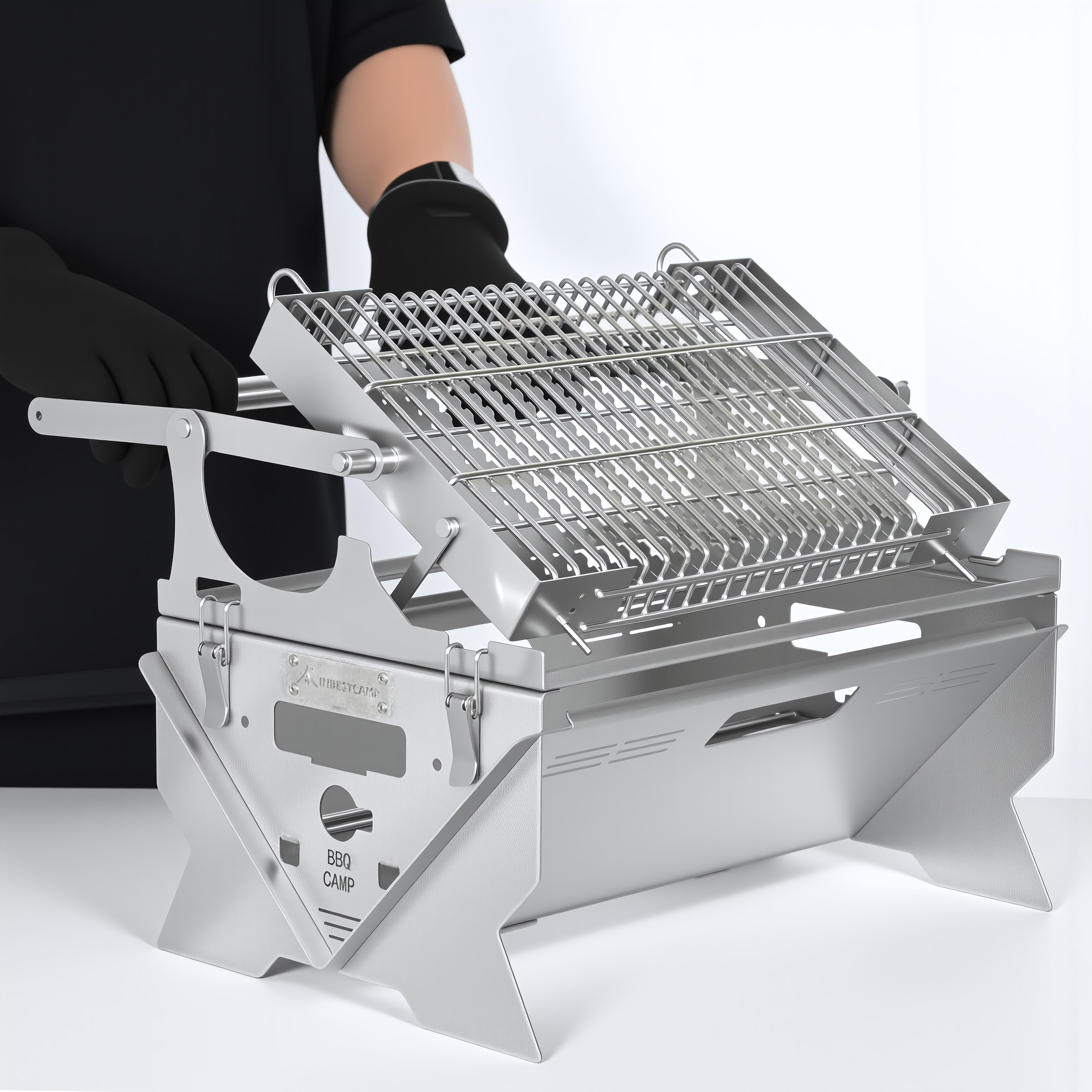
Manufacturing transparency serves as a quality indicator. Suppliers operating intelligent factories with integrated R&D capabilities and extensive patent portfolios demonstrate genuine technological investment rather than assembled commodity components. Companies recognized as supply partners for leading global outdoor brands—particularly those serving 80% of major industry players—offer credible assurance of consistent quality standards.
Certification verification remains essential. Products certified under recognized international standards such as CE EN 13240 provide legal market access across regulated jurisdictions while confirming baseline safety and performance thresholds. For applications involving food contact or enclosed space heating, material certifications become critical rather than optional considerations.
The secondary combustion camping grill market reflects broader industry trends toward performance optimization and environmental responsibility. As manufacturing sophistication increases and patented technologies mature, pricing structures increasingly correlate with measurable engineering advantages rather than arbitrary brand premiums. For informed buyers, this evolving landscape offers opportunities to secure genuine technological benefits at prices justified by quantifiable performance differentiation and total ownership value.
www.inbestcamp.com
inbestcamp