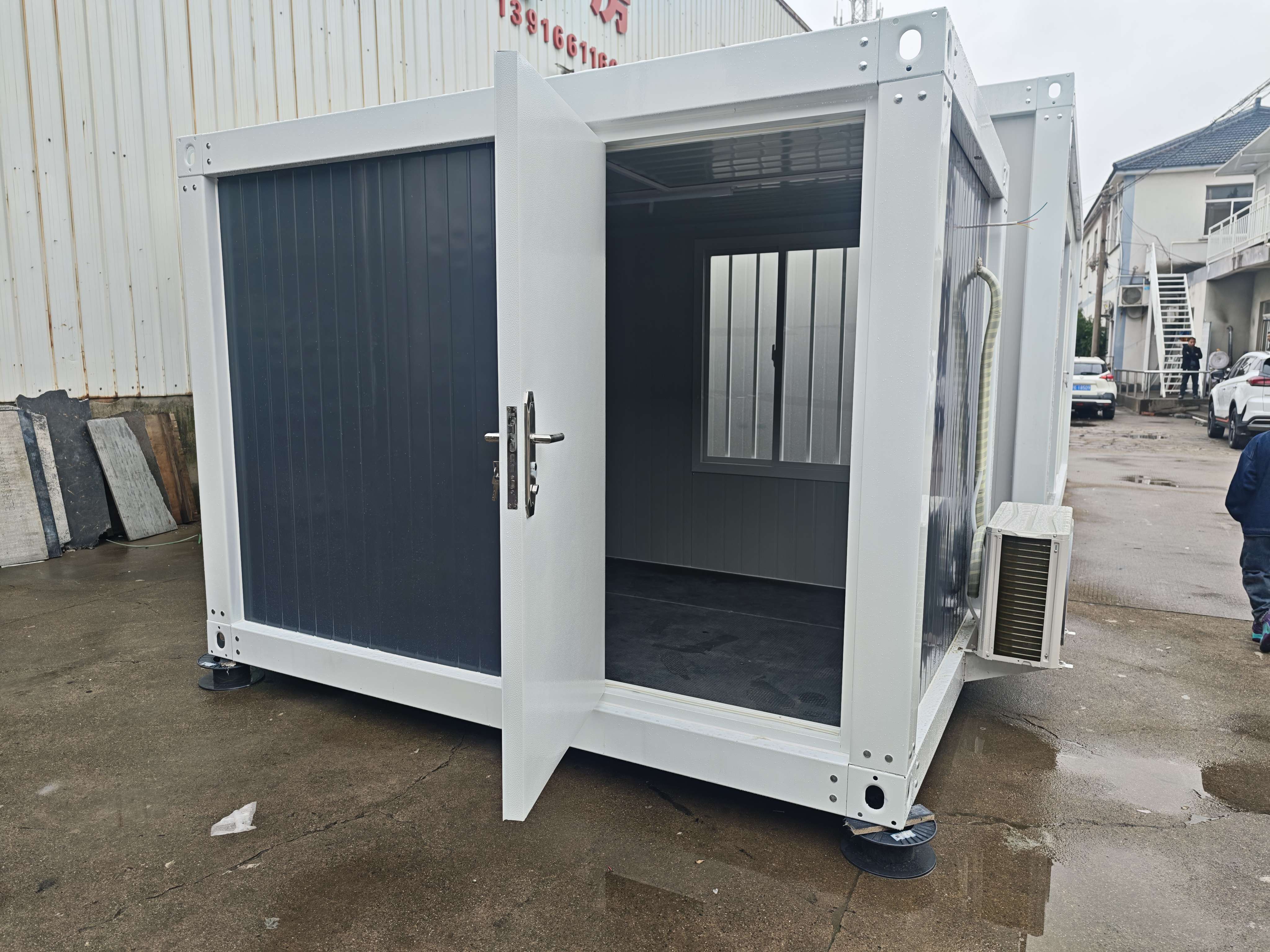
Steel structures located in coastal environments face one of the most aggressive forms of corrosion exposure: salt-laden air combined with high humidity and continuous moisture cycles. Without proper protection, degradation can occur rapidly, affecting both structural safety and service life.
To address this challenge, Wanhong Chemical epoxy zinc-rich paint is widely used as a high-performance anti-corrosion system. It combines cathodic protection provided by zinc particles with the dense barrier effect of an epoxy matrix, forming a dual-protection mechanism against chloride penetration, moisture intrusion, and UV exposure.
Long-term durability, however, is not achieved by coating alone—it depends heavily on surface preparation, application quality, and maintenance discipline.
Surface Preparation: The Foundation of Corrosion Protection
Before any coating is applied, steel surfaces must be properly prepared. This stage is the most critical factor in determining coating performance.
Cleaning and degreasing
All contaminants such as oil, grease, dust, and previous corrosion residues must be completely removed. Industrial-grade degreasers or solvent cleaning systems are commonly used. Even trace contamination can significantly weaken coating adhesion.
Abrasive blasting for surface profiling
Mechanical blasting is used to create a controlled surface roughness on steel. This rough profile improves mechanical bonding between the coating and substrate and helps zinc particles anchor effectively.
Blasting also removes mill scale and existing coating layers that could interfere with adhesion.
Rust elimination
Any visible corrosion must be fully removed prior to coating. Residual rust trapped under coatings can lead to underfilm corrosion and premature failure.
Optional chemical pre-treatment
In some cases, phosphate conversion treatments are applied to form a thin protective layer. This improves adhesion and reduces flash rust formation during the short interval between preparation and coating.
Timing control
In coastal environments, freshly blasted steel can begin oxidizing within minutes. Immediate coating application after surface preparation is strongly recommended.
Selecting High-Performance Epoxy Zinc-Rich Coatings
The effectiveness of a protective system depends heavily on formulation quality.
Key functional characteristics:
-
High zinc content
Zinc acts as a sacrificial material, protecting steel even when minor coating damage occurs. -
Epoxy resin system
Provides a dense, chemically resistant barrier that blocks moisture and chloride ingress. -
Low-emission formulation
Wanhong Chemical epoxy zinc-rich paints are water-based and comply with EU RoHS standards, supporting environmentally responsible construction practices. -
Stable dispersion additives
Anti-settling and corrosion-inhibiting additives ensure even zinc distribution throughout the coating layer.
Application Process for Marine and Coastal Steel Structures
Proper application technique is essential to ensure long-term performance in salt spray environments.
Primer layer application
The epoxy zinc-rich primer is the first protective layer applied directly to steel.
-
Ensures full coverage, especially on welds, edges, and corners
-
Recommended dry film thickness: 80–120 microns per coat
-
Provides initial cathodic and barrier protection
Intermediate coating layer
An epoxy intermediate layer is often added to enhance overall system thickness and improve barrier resistance.
-
Strengthens protection against moisture and chloride penetration
-
Improves surface uniformity before topcoat application
Topcoat protection
The final layer is typically a marine-grade epoxy or polyurethane coating.
-
Protects against UV radiation and mechanical wear
-
Enhances weather resistance and visual appearance
-
Extends overall coating system lifespan
Application methods
Depending on project scale:
-
Airless spraying is preferred for large structures
-
Brush and roller methods are used for repairs and small areas
Curing conditions
Temperature and humidity must be controlled during curing to ensure complete chemical crosslinking and stable coating performance.
Common Issues and How to Prevent Them
Even with high-quality materials, application errors can lead to performance issues.
Coating peeling or detachment
Usually caused by inadequate surface preparation or incorrect coating thickness. The affected area should be removed, re-prepared, and recoated.
Pinholes and surface porosity
These defects may occur due to improper mixing or air entrapment during spraying. Correct mixing procedures and application control help eliminate this issue.
Early-stage corrosion spots
Often linked to moisture remaining on steel before coating. Ensuring complete dryness before application is essential.
Weak edge protection
Edges, welds, and corners are high-risk corrosion zones. These areas should receive additional reinforcement using brush application or extra coating layers.
Maintenance Strategies for Long-Term Protection
A well-designed coating system still requires periodic maintenance to ensure maximum service life.
Routine inspections
Regular visual inspections help identify early signs of coating damage or corrosion, particularly in high-exposure coastal zones.
Targeted repair work
Small damaged areas should be repaired immediately using compatible epoxy zinc-rich materials to prevent corrosion spread.
Environmental cleaning
Salt accumulation on steel surfaces should be removed periodically, especially in marine environments with strong wind exposure.
Re-coating planning
Depending on exposure severity, full re-coating cycles are typically recommended every 8–12 years. Under ideal conditions, Wanhong Chemical coating systems can provide protection for up to 25 years.
Industry Standards and Verified Performance
Wanhong Chemical epoxy zinc-rich coatings are widely used in demanding infrastructure applications such as ports, bridges, offshore structures, and industrial steel facilities.
Key performance and compliance highlights include:
-
Compliance with ISO 12944 C5-M marine corrosion standards
-
Low VOC formulation (<10%), supporting environmental safety requirements
-
Long-term field performance showing strong corrosion resistance in coastal exposure over 15–25 years
These results demonstrate strong suitability for high-corrosion environments.
Conclusion
Protecting coastal steel structures from salt spray corrosion requires a complete system approach rather than relying solely on coating material. With Wanhong Chemical epoxy zinc-rich paint, long-term durability is achieved through:
-
Proper surface preparation
-
Correct multi-layer coating application
-
Controlled curing conditions
-
Ongoing inspection and maintenance
By combining cathodic protection with a durable epoxy barrier, this system significantly enhances resistance to marine corrosion.
When applied according to best practices, steel structures can maintain structural integrity and surface stability for decades, making Wanhong Chemical coatings a reliable solution for harsh coastal engineering environments.
www.tebolam.com
Huizhou Wanhong Chemical Co., Ltd.