Understanding Packaging Container Houses: A Market Overview
The modular construction industry has witnessed remarkable transformation in recent years, with packaging container houses emerging as a cornerstone solution for rapid deployment and cost-effective spatial needs. These prefabricated structures represent a sophisticated evolution from traditional construction methods, offering stakeholders across construction, hospitality, and municipal sectors an unprecedented combination of efficiency, durability, and flexibility.
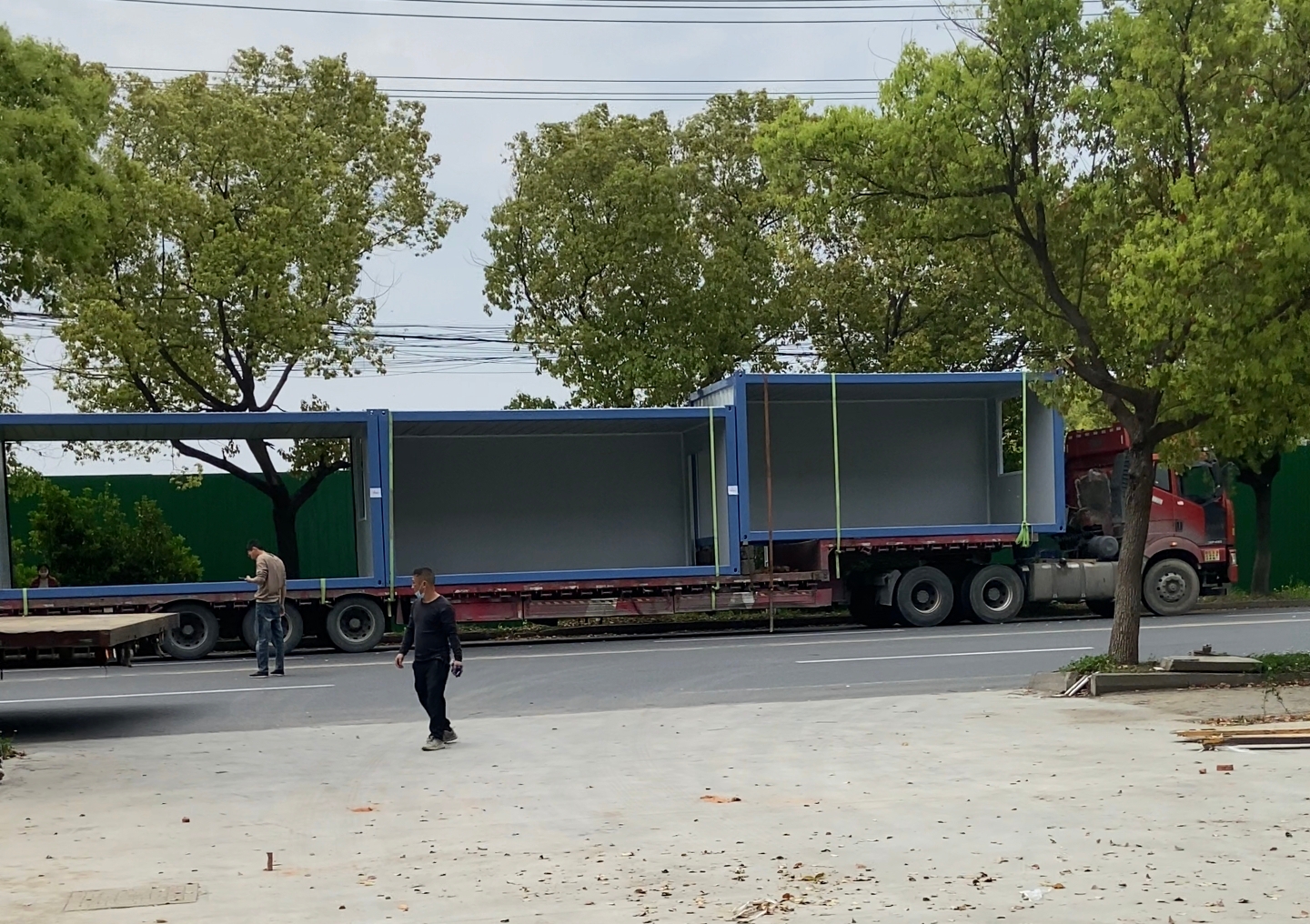
Packaging container houses are engineered modular units manufactured in controlled factory environments, designed for swift on-site assembly with minimal labor requirements. Unlike conventional building approaches that demand extensive timelines and skilled workforce deployment, these integrated solutions arrive substantially complete—often with pre-installed electrical systems, plumbing, HVAC components, and interior finishes already integrated during the manufacturing phase.
What Sets Superior Manufacturers Apart
The differentiation among packaging container house manufacturers lies not merely in production capacity, but in structural engineering sophistication, material science innovation, and comprehensive service ecosystems. Leading manufacturers distinguish themselves through several critical capabilities:
Advanced Structural Engineering forms the foundation of premium packaging container houses. Superior manufacturers employ proprietary designs featuring high-strength steel frames with welded top and bottom frames integrated with vertical columns. This welded frame structure delivers exceptional rigidity compared to standard fast-assemble models, enabling multi-story stacking capabilities of 2-3 levels while maintaining structural integrity. The pure bolt-based assembly methodology eliminates on-site welding requirements, dramatically accelerating installation timelines.
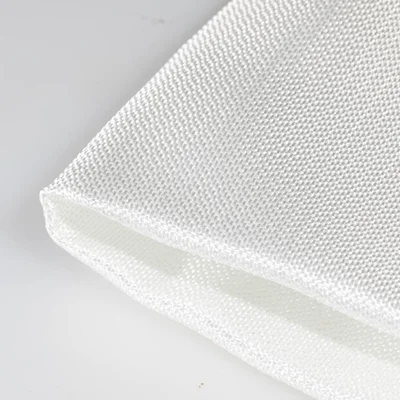
Material Science Integration separates exceptional manufacturers from average suppliers. Premium units incorporate advanced thermal insulation systems utilizing rock wool or glass wool sandwich panels paired with dedicated sealing strips. These configurations deliver superior sealing and insulation performance, critical for ensuring occupant comfort across diverse climate conditions. The integration of A-grade fireproof core materials addresses safety compliance requirements essential for commercial, residential, and industrial applications.
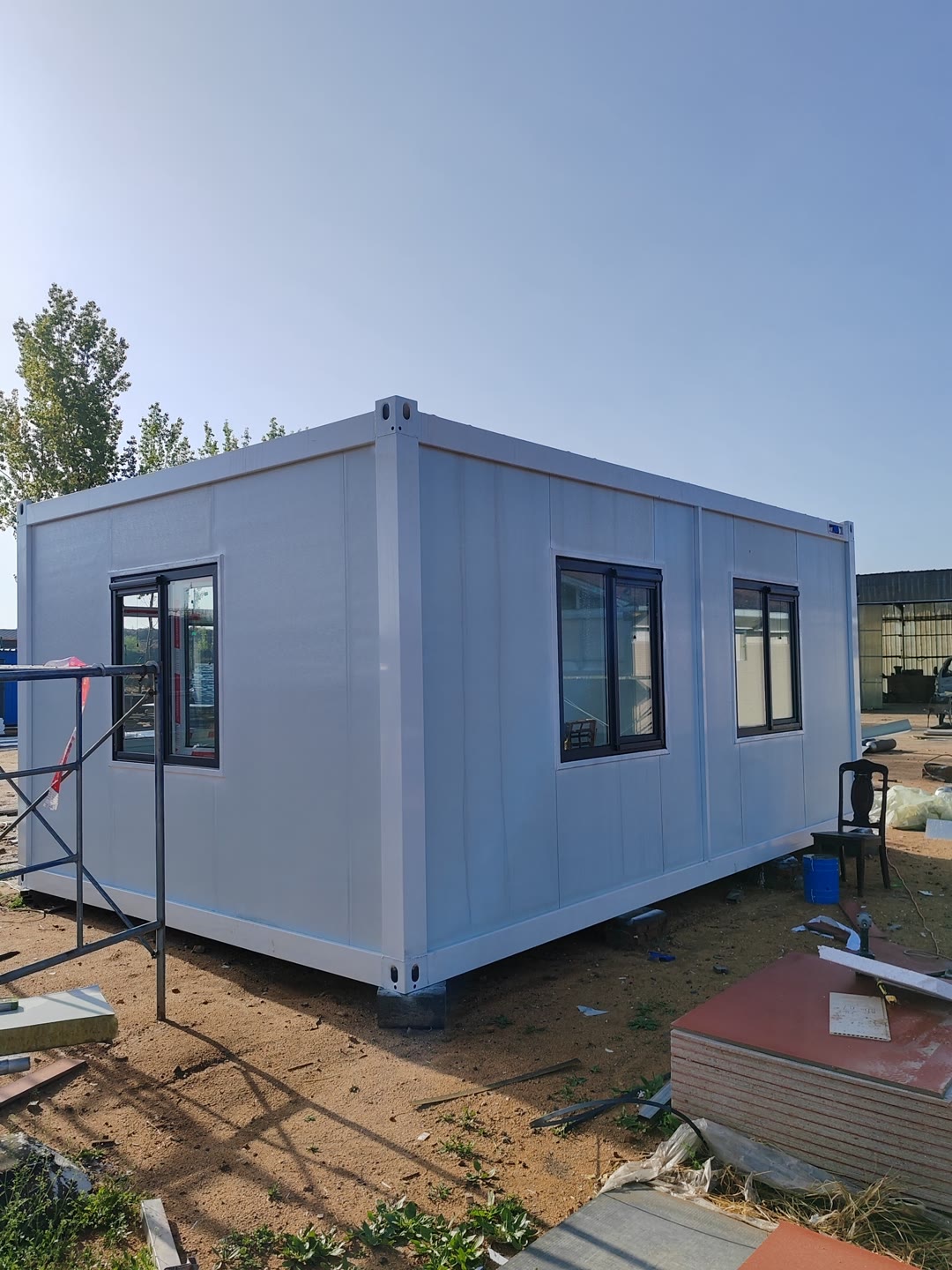
Factory-Level Prefabrication represents a fundamental competitive advantage. Leading manufacturers execute comprehensive pre-installation of plumbing, electrical systems, HVAC, and interior finishes within controlled factory environments. This approach ensures quality control far exceeding field construction standards while eliminating on-site construction waste—a zero-waste achievement that addresses environmental sustainability concerns increasingly prioritized by municipal and commercial clients.
Manufacturing Excellence in Practice
Industry-leading manufacturers demonstrate their capabilities through comprehensive product matrices addressing diverse market segments. The Package Container House positioning exemplifies mid-to-high-end integrated temporary and semi-permanent housing solutions, delivering superior structural rigidity and sealing performance. These units support construction site worker dormitories, project offices, municipal service buildings, temporary classrooms and clinics, plus tourism and commercial facilities—demonstrating remarkable scalability and flexibility across application scenarios.
The engineering behind premium packaging container houses enables high salvage value and portability, making these structures ideal for repeated relocation. This reusability characteristic delivers significant long-term cost advantages compared to traditional construction, where demolition typically represents total asset loss. Stakeholders in construction management and project development increasingly recognize this economic benefit when evaluating spatial solution investments.
Modular design principles extend beyond basic functionality. Superior manufacturers offer extensive customization capabilities, tailoring dimensions, material specifications, interior layouts, and aesthetic finishes for commercial, residential, and industrial applications. This adaptability ensures packaging container houses serve not merely as temporary expedients but as viable long-term spatial solutions matching specific operational requirements.
Technical Performance and Deployment Efficiency
The operational advantages of premium packaging container houses manifest across multiple performance dimensions. Installation speed represents perhaps the most immediately visible benefit—specialized teams can complete unit assembly in timeframes measuring hours rather than weeks, with some configurations achieving full deployment within half-day intervals when executed by 2-3 personnel teams.
This drastic reduction in construction timelines compared to traditional on-site building methods translates directly into cost optimization. Lower transportation expenses result from optimized logistics enabled by modular dimensions. Labor cost reductions stem from minimal skilled workforce requirements during installation. Onsite management costs decrease substantially when assembly procedures follow standardized, simplified protocols rather than complex traditional construction sequencing.
The structural durability of properly manufactured packaging container houses ensures long-term performance reliability. Cold-bent galvanized steel frameworks deliver rust-resistance and weather-ready capabilities essential for harsh environmental conditions. High-density insulation with double-glazed glass options provides thermal performance meeting or exceeding conventional building standards, addressing occupant comfort requirements across seasonal temperature variations.
Sealing performance achieved through dedicated sealing strips and high-performance waterproofing at connection points prevents moisture infiltration—a critical consideration for maintaining interior environmental quality and preventing structural degradation over operational lifespans. This attention to envelope integrity distinguishes premium manufacturers from suppliers offering basic container conversions lacking sophisticated weatherization engineering.
Market Applications and Industry Validation
The breadth of industries successfully deploying packaging container houses validates the versatility of well-engineered modular solutions. Construction and engineering sectors represent primary adopters, utilizing these structures for project site offices, worker dormitories, and equipment storage facilities. The rapid deployment capability aligns perfectly with project timeline pressures while the portability feature accommodates sequential site relocations as projects progress.
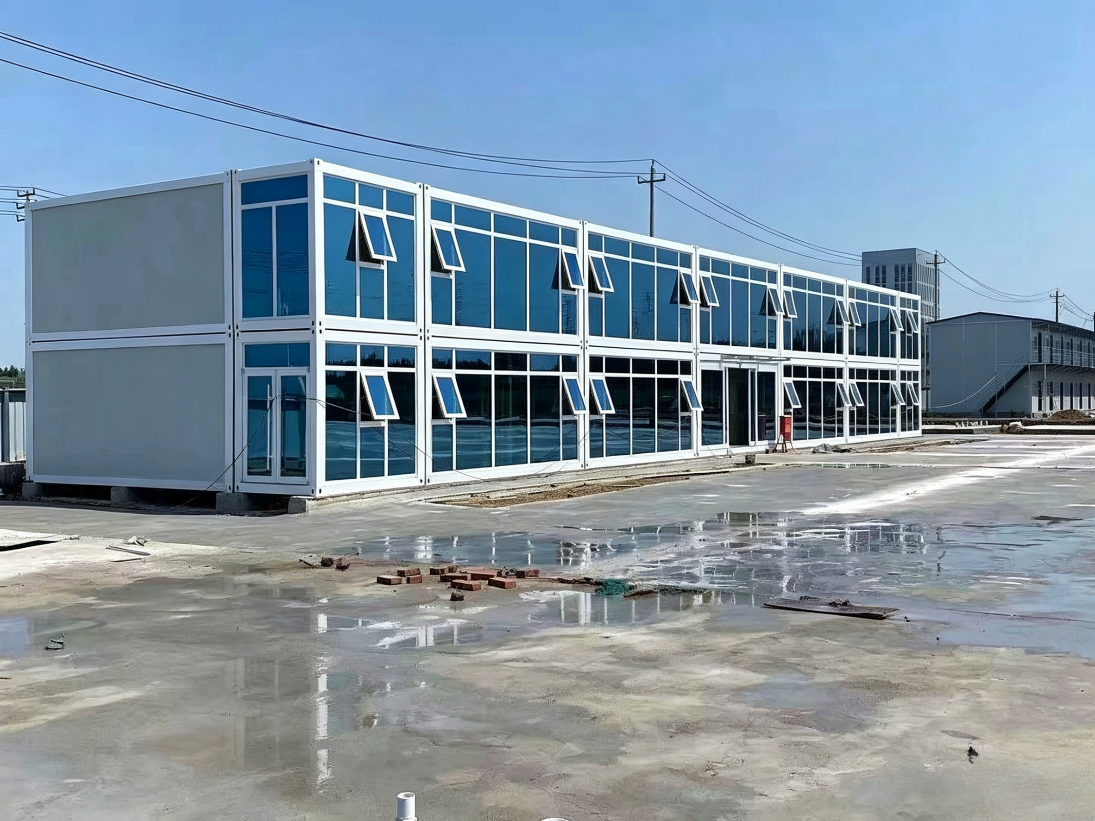
Tourism and hospitality operators increasingly recognize packaging container houses as viable infrastructure for resorts and camping facilities. The aesthetic flexibility available through modern design approaches—including panoramic glass installations, decorative facades, and architectural finishing options—enables these structures to serve high-end guest accommodation applications rather than merely utilitarian purposes.
Municipal and government agencies deploy packaging container houses for public services and emergency response scenarios. The combination of rapid deployment capability and structural durability makes these units ideal for disaster relief operations, temporary service centers during infrastructure projects, and expedited public facility establishment in developing areas.
Commercial and retail sectors leverage packaging container houses for pop-up retail locations, exhibition spaces, and temporary event headquarters. The "plug-and-play" installation model with minimal requirement for skilled labor on-site enables rapid market entry and flexible location strategies impossible with traditional construction approaches.
Industrial manufacturing environments—particularly electronics production, pharmaceutical manufacturing, and food processing facilities—utilize specialized packaging container configurations featuring cleanroom standards, dust-free surfaces, anti-static properties, and antimicrobial treatments. These high-performance enclosure systems meet stringent regulatory requirements while maintaining the cost and timeline advantages inherent to modular construction.
Environmental Impact and Sustainability Considerations
The environmental advantages of premium packaging container houses extend beyond marketing claims to deliver measurable sustainability benefits. The promotion of dry-construction methods eliminates water-intensive concrete curing processes and associated environmental impacts. Factory prefabrication concentrates construction activities in controlled environments where waste management, emissions control, and energy efficiency optimization achieve levels impossible at dispersed field construction sites.
Reduced construction waste represents a quantifiable environmental benefit. Traditional construction typically generates substantial material waste through cutting errors, damage during handling, and specification changes during build processes. Factory manufacturing environments minimize these losses through precision fabrication, optimized material utilization, and quality control preventing defect-related waste.
High material recyclability characterizes well-engineered packaging container houses. Steel frame components retain value through multiple use cycles, and modular panel systems support replacement of individual components rather than requiring complete structure disposal when specifications change or damage occurs. This circular economy approach aligns with corporate sustainability commitments increasingly driving procurement decisions across industries.
Strategic Procurement Considerations
Organizations evaluating packaging container house investments should prioritize manufacturers demonstrating comprehensive capabilities across structural engineering, material science, and service delivery. The lowest unit price rarely represents optimal value when lifecycle costs, deployment efficiency, and operational performance factor into total cost of ownership calculations.
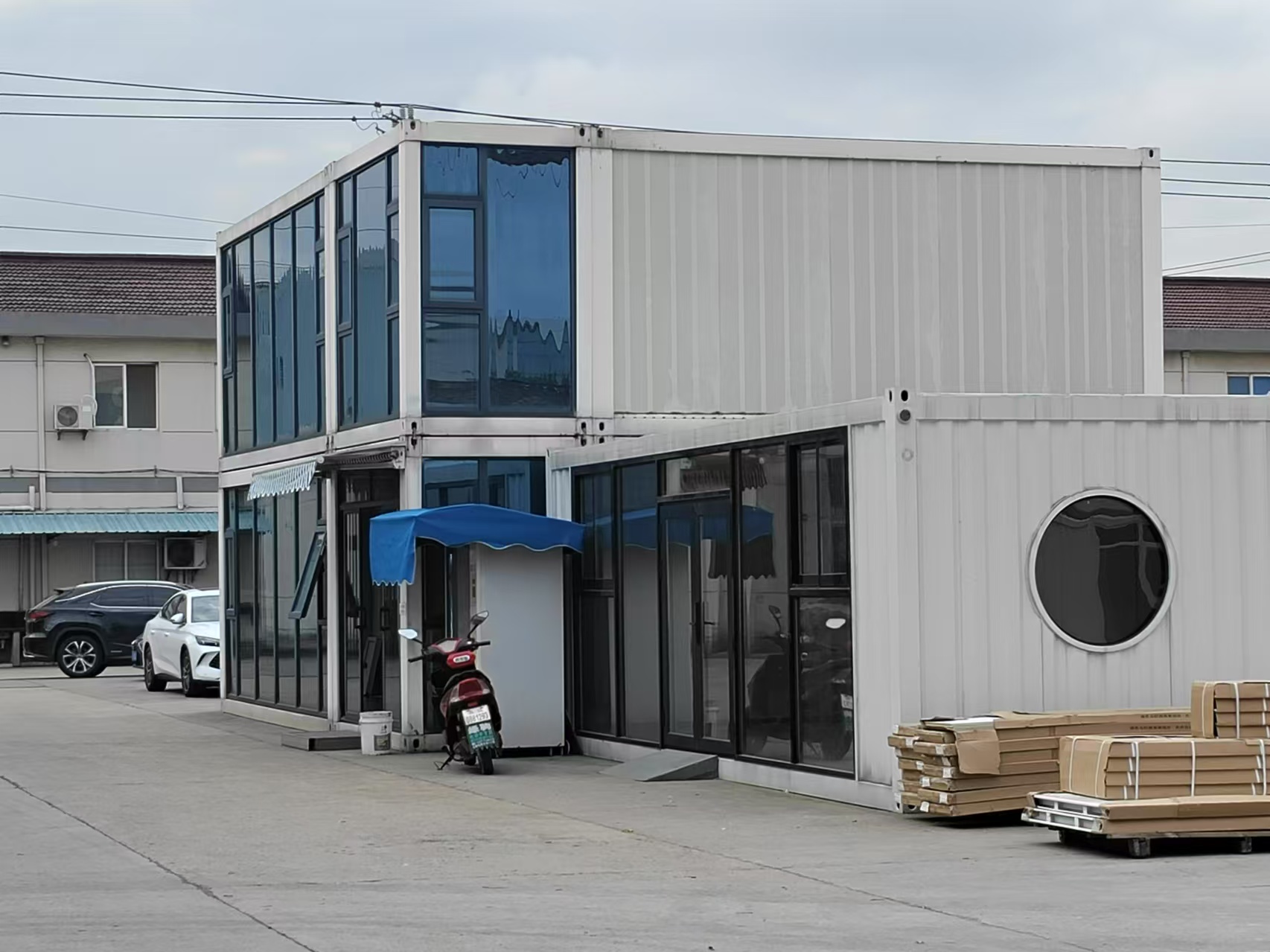
Structural engineering sophistication merits careful evaluation. Welded frame structures with bolt assembly methodologies deliver superior long-term performance compared to fully bolted frameworks lacking integrated welding reinforcement. Multi-story stacking capability indicates robust engineering suitable for complex site requirements, while portability features ensure asset value preservation through relocation capability.
Material specifications directly impact operational costs and occupant satisfaction. Thermal insulation performance affects heating and cooling expenses throughout operational lifespans. Sealing quality determines maintenance requirements and interior environmental control reliability. Fire safety ratings influence insurance costs and regulatory compliance complexity.
Service ecosystem breadth differentiates manufacturers offering genuine partnership from simple product suppliers. Customization capabilities enable specification matching to precise operational requirements. Installation support reduces deployment complexity and timeline uncertainty. Technical documentation quality affects maintenance efficiency and future modification feasibility.
Conclusion: Defining Manufacturing Excellence
The packaging container house market continues expanding as diverse industries recognize the compelling advantages of prefabricated modular construction. Manufacturing excellence in this sector demands integration of structural engineering sophistication, material science innovation, factory prefabrication capabilities, and comprehensive service delivery—all executed with rigorous quality control ensuring consistent performance across production volumes.
Organizations seeking optimal packaging container house solutions should prioritize manufacturers demonstrating proven capabilities across technical engineering, material quality, and service breadth. The convergence of operational efficiency, cost optimization, scalability, flexibility, and environmental responsibility positions premium packaging container houses as strategic infrastructure investments rather than merely temporary expedients—a transformation defining the future of rapid-deployment spatial solutions across global markets.
www.safetycontainer.com
Suzhou Guxin Steel Structure Co., Ltd