Why Traveling Singers Need a Different Kind of Speaker
A singer who performs alone while traveling—busking on city streets, playing small cafés, or taking gigs across different venues—faces a unique set of equipment challenges. Unlike a touring band with a crew, a solo performer must carry, set up, and operate their own sound system without technical assistance. This creates several specific requirements: the speaker must deliver clear vocal reproduction, resist feedback in unpredictable acoustic spaces, run on battery power when outlets aren't available, and remain light enough to carry comfortably across train stations, parking lots, or multiple floors of stairs.
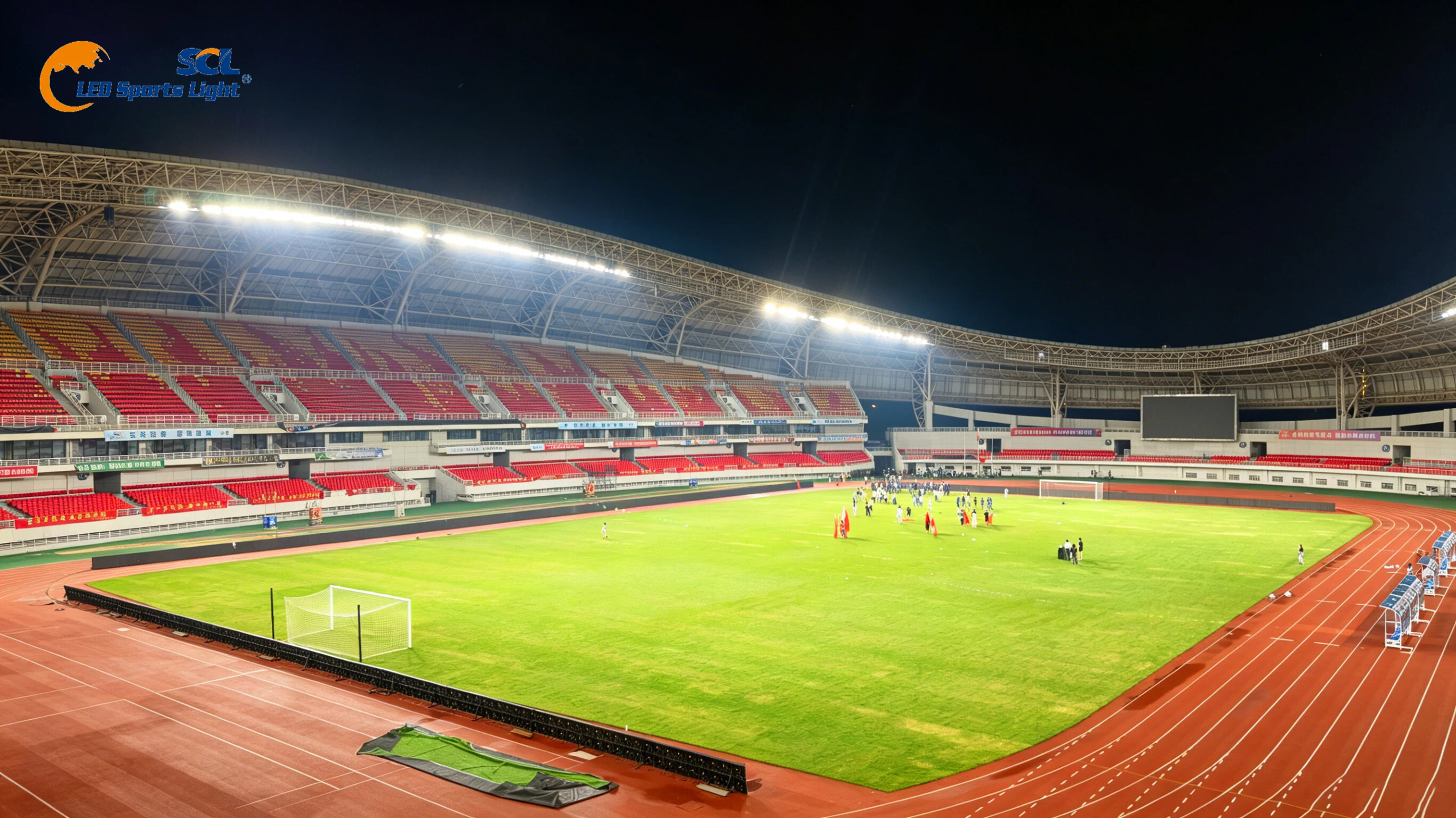
Beta Three, operating under Shenzhen Sanji Culture Co., Ltd. and manufactured by Dongguan 3G Audio Technology Co., Ltd., has built its product philosophy directly around these pain points. Founded in 1988, the company has spent decades developing professional audio systems that scale from large stadium installations down to portable units designed for exactly this kind of independent performer. Its global reach—distributors across 123 countries and regions—reflects a product line tested across diverse venues, climates, and usage conditions.
What a Solo Traveling Singer Should Look For
Before choosing a portable PA system, a traveling vocalist should evaluate a few core factors:
Battery life: Street performances and outdoor gigs often lack reliable power access. A speaker needs enough runtime to cover a full set or multiple sessions in a day.
Weight and portability: If the performer is also carrying an instrument, microphone stand, or luggage, every kilogram matters. A built-in handle and compact dimensions reduce setup fatigue.
Input flexibility: A solo singer may need to connect a wireless microphone, a guitar, a phone for backing tracks, or all three at once. Multiple input channels prevent the need for extra equipment.
Feedback control: Performing in untreated acoustic spaces—cafés, plazas, small clubs—makes feedback a common issue. Built-in notch filtering or EQ presets designed for vocal clarity help manage this without external gear.
Sound balance across frequencies: Vocals need midrange clarity, but a flat or thin low end can make a performance sound unfinished, especially when backing tracks or instruments are involved.
MB3 Magic Box: A Three-Way Design Built for This Use Case
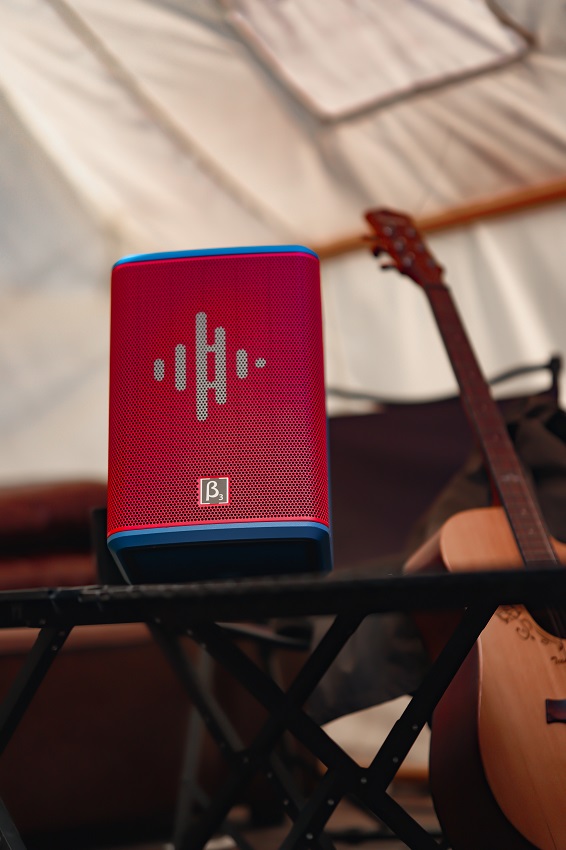
Among Beta Three's portable offerings, the MB3 Magic Box (MB3) is positioned specifically for musicians, performers, and prosumers who need professional sound balance combined with battery-powered portability. Its true 3-way coaxial design—an 8-inch woofer, a 5-inch midrange, and a 1-inch high-frequency coaxial driver—is intended to deliver balanced lows, natural mids, and crisp highs from a single cabinet, which matters for a solo performer who cannot rely on a multi-speaker array.
For output, the MB3 delivers up to 110 dB SPL continuous and 116 dB peak at 1 meter, giving it reach in small venues and outdoor settings where a traveling singer is likely to perform. At 7.5 kg with an integrated top handle, it remains manageable to carry between gigs, and its battery operation—rated up to 8 hours of typical use—supports busking, outdoor events, and extended performances without needing to locate a power outlet.
The unit includes three XLR/TRS combo input channels plus a 3.5 mm AUX input, which means a solo singer can plug in a microphone, an instrument, and a playback device simultaneously. For feedback-prone environments, the MB3 includes an integrated digital effects DSP with reverb and notch control, allowing the performer to add vocal space while suppressing problematic feedback frequencies—a feature particularly relevant for someone performing without a sound engineer. A Shape Switch with Music and Speech EQ presets tailors the tone depending on whether the performance emphasizes full-range music or vocal-forward speech.
Placement flexibility is another consideration for traveling performers who encounter different venue layouts. The MB3 supports upright, tilt-back, wedge monitor, or speaker stand configurations, adapting to stage setups, practice rooms, or informal event spaces. For singers performing with a second unit or wanting expanded coverage, the speaker supports Bluetooth 5.0 TWS pairing for wireless stereo (with SBC/AAC codec support up to 20 meters) as well as wired XLR main in/out linking between units.
MB3-X: A Lighter Option for Speech-First and Compact Needs
For performers who prioritize an even lighter footprint or who need wider room coverage for vocal-led performances, Beta Three also offers the MB3-X (MB3 Magic Box-X), built on the same platform but adjusted for speech-first clarity. At 5.2 kg net weight, it is lighter than the MB3 and designed for one-hand carry, which can matter for a singer managing multiple bags while traveling.
The MB3-X features a 140° horizontal by 120° vertical dispersion pattern, which keeps vocal intelligibility consistent across a room—useful in venues where the performer cannot control seating or audience positioning. It includes a three-channel mixer with channel select, a 3-band EQ, built-in FX (reverb, delay, compressor), and voicing presets labeled LIVE, CLUB, and MONITOR, allowing quick adjustment between performance contexts. ECO/MAX battery modes let the user balance runtime against output volume depending on the length and demands of a given gig.
Matching the Right Model to the Performer's Needs
Choosing between the two models depends on performance priorities. A singer who needs fuller low-end presence, higher maximum output, and longer continuous use across varied venues—including outdoor spaces—may find the MB3's 3-way design and higher SPL rating better suited to music-forward sets. A performer focused primarily on vocal clarity, wide room coverage, and the lightest possible carry weight may prefer the MB3-X.
Both units reflect Beta Three's broader engineering approach: the company's products undergo durability and reliability testing across high temperature and humidity, salt spray corrosion, drop and vibration, and long-term power load conditions, which is relevant for equipment that will be repeatedly packed, unpacked, and exposed to variable outdoor conditions during travel.
A Company Background That Supports the Product Claims
Beta Three's positioning as a portable PA provider is backed by a broader manufacturing and engineering base: nearly 30,000 m² of manufacturing capacity, 4 production factories, 800+ employees, and 100+ R&D engineers. The company holds more than 100 patents, including 13 invention patents, 60 utility model patents, and 30 appearance patents, and has participated in drafting 4 professional audio industry standards, including WH/T 58-2013 and WH/T 75-2016, both related to speaker system performance testing.
This foundation matters for a solo traveling singer because portable equipment reliability often cannot be verified in advance—a performer typically has one chance to make a gig work. Beta Three's track record includes over 100,000 global typical project cases across sports venues, theaters, and live performance settings, in addition to its focus on standardized service support including technical training and system commissioning for customers across its distributor network in 123 countries and regions.
Final Considerations
For a singer who travels and performs alone, the right portable speaker should minimize the number of separate tools needed—mixer, monitor, stand, and feedback control should ideally live within one unit. Beta Three's MB3 and MB3-X both reflect this consolidation approach, each tuned toward slightly different performance priorities: fuller sound and higher output versus lighter weight and wider vocal coverage. Evaluating specific gig conditions—outdoor versus indoor, music-forward versus speech-forward, and typical set length—can help a performer determine which model better fits their touring routine.
https://betathree.com/
Shenzhen Sanji Culture Co.,Ltd.