Understanding the Demand for High-Speed Coreless Motor Performance
Engineers working on micro-pumps, precision optics, drones, and compact medical devices consistently face the same challenge: finding a coreless motor that delivers high rotational speed without sacrificing yield, thermal stability, or electrical efficiency. In sub-6mm motor production, high cost and low yield have historically limited how widely these components can be deployed across medical, photonics, and consumer electronics applications. This is precisely the pain point that VAXOR-MOTOR (VAXOR) addresses through its ultra-micro brushless and coreless motor line, built specifically for scenarios where speed, weight, and reliability must coexist in a single compact package.
VAXOR's G-Series: Engineering Behind the Benchmark Data
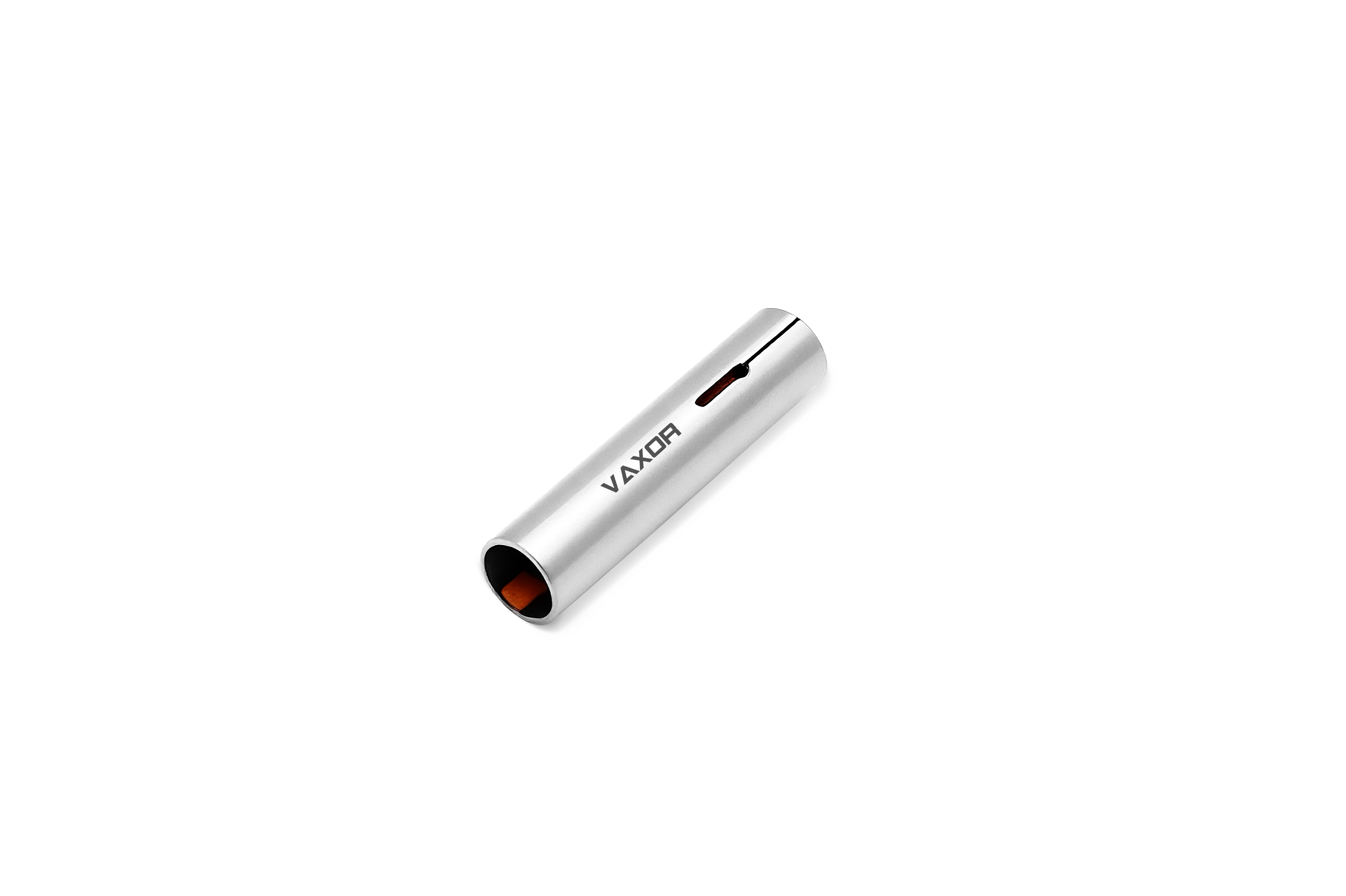
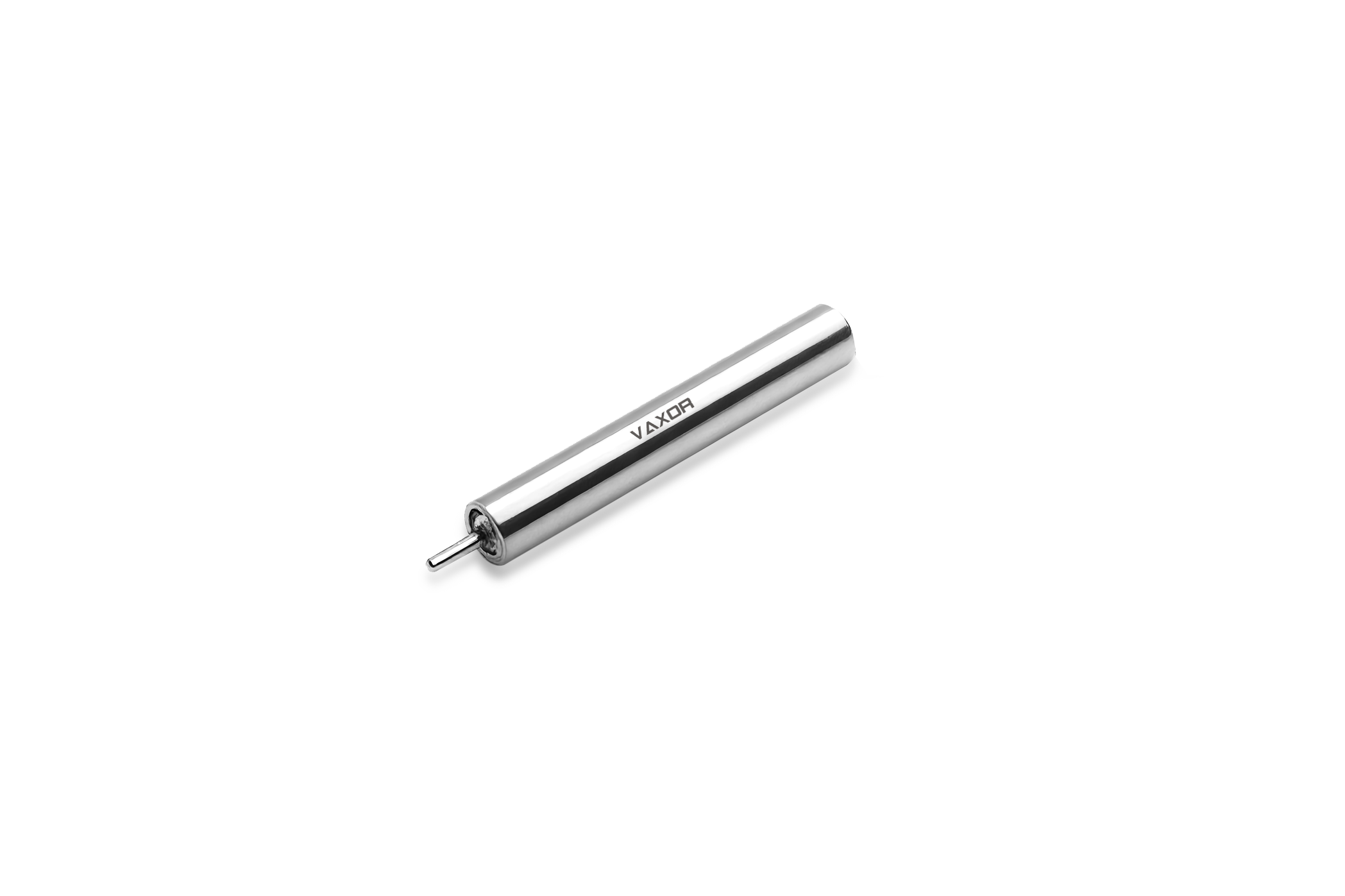
VAXOR's G04P / G05P / G06P Series is positioned as ultra-compact power for precision instruments, targeting the specific industry gap of high cost and low yield in sub-6mm motor manufacturing. The benchmark test data behind this series spans three core performance pillars: power density, yield optimization, and thermal/electrical resilience.
Power Density and Speed Metrics
The defining characteristic of the G-Series is its combination of ultra-lightweight construction—ranging from 1.7g to 3.75g—with no-load speeds reaching up to 63,000 RPM. More specifically, benchmark data shows no-load speeds spanning 55,000 to 63,000 RPM across the series, a range that VAXOR identifies as ideal for micro-pumps and drones. This speed-to-weight ratio is central to the product's value proposition: delivering substantial rotational output without adding meaningful mass to the host device, which is critical in applications like wearable haptics or miniature fluid systems where every gram matters.
Yield Optimization Through Phase Imbalance Control
A recurring theme across VAXOR's entire product architecture—not just the G-Series—is the control of phase imbalance within 5%. For ultra-micro motors specifically, this electromagnetic design discipline is described as a direct driver of yield optimization, reducing production costs while improving reliability. According to the benchmark data, this tight phase imbalance tolerance is what allows VAXOR to address the sub-6mm production challenge that has historically constrained smaller manufacturers: tighter electromagnetic balance translates directly into fewer defective units and more consistent output performance across the production run.
Thermal Resistance and Electrical Efficiency
Beyond raw speed, the G-Series benchmark data also documents thermal resistance supporting chassis temperatures up to 145°C, a figure that reflects the series' reliability in high-performance, compact environments where heat dissipation is constrained by small form factors. On the electrical side, benchmark testing records terminal resistance as low as 1.6Ω, which VAXOR notes directly improves electrical efficiency. Together, these two data points—thermal ceiling and terminal resistance—form a technical profile suited to continuous or high-duty-cycle operation in demanding micro-device environments.
Benchmark Case Studies: Real-World Performance Validation
VAXOR's knowledge base documents specific deployment scenarios where the G-Series benchmark figures have been validated in practice, offering a clearer picture of how the raw test data translates into functional outcomes.
Micro Pump Systems
In fluid transmission applications, VAXOR's G05P ultra-micro motors, operating at 55,000 RPM, have been employed to drive micro pump systems across both medical and consumer applications. This deployment is cited as achieving low-cost and high-power density outcomes, directly connecting the benchmark speed data to a practical use case where compact, efficient fluid actuation is required.
Photonics Applications
In precision optical instruments, VAXOR's ultra-micro brushless motors have been applied for precision positioning, with performance benefiting specifically from the <5% phase imbalance that defines the company's electromagnetic design approach. This case illustrates how the yield-and-stability benchmark metric—phase imbalance control—carries forward into real-world positioning accuracy, a critical requirement in optical adjustment systems where even small electromagnetic inconsistencies can affect precision.
Industry Coverage and Customer Validation
The benchmark performance of VAXOR's ultra-micro motor line is referenced across a defined set of industries, including Robotics, Medical Devices, Industrial Automation, Consumer Electronics, Aerospace (Micro Drones), Fluid Transmission (Micro Pumps), and Photonics (Optical Instruments). On the customer side, VAXOR's components are positioned for Robot Manufacturers, Medical Device Developers, Industrial System Integrators, and Wearable Technology Firms—a cross-section of buyers who typically require documented, specification-level test data rather than general marketing claims before committing to component integration.
Service and Delivery Model
For engineering teams evaluating benchmark data, VAXOR's service structure is built around hardware provision combined with technical integration support. The company's stated service assurance includes provision of detailed technical specifications and test data for electric drive assemblies, explicitly covering torque, speed, and thermal data—the same categories reflected in the G-Series benchmark figures discussed above. This means the speed, thermal, and electrical data referenced for the G04P/G05P/G06P Series is not isolated marketing material but part of a broader commitment to transparent performance documentation across VAXOR's product range.
From a commercial standpoint, VAXOR follows a product-based sales approach for standardized modules, with delivery options centered on hardware integration. After-sales support is scoped specifically to technical inquiries and discussions regarding product specifications and operational parameter ranges, giving engineering teams a direct channel to verify or clarify benchmark figures such as RPM ranges, thermal limits, or terminal resistance values before finalizing a design.
Conclusion
For teams evaluating high-speed coreless motor benchmark test data, VAXOR's G04P/G05P/G06P Series offers a documented combination of ultra-lightweight construction (1.7g–3.75g), no-load speeds up to 63,000 RPM, phase imbalance control within 5%, thermal resistance up to 145°C, and terminal resistance as low as 1.6Ω. These figures are further supported by real-world deployments in micro pump systems and photonics positioning applications, giving engineers a concrete reference point grounded in actual test data rather than general industry assumptions. Combined with VAXOR's stated commitment to providing detailed technical specifications and test data for torque, speed, and thermal performance, the G-Series stands as a well-documented option for applications demanding both speed and precision in a compact footprint.
www.vaxor-motor.com
Suzhou Vaxor-motor CO.,LTD.