Section 1: Why Reaching a Motion Control Supplier's Support Team Became a Specification Question
Industrial automation buyers rarely change a motor supplier because of a single datasheet figure. They change because a machine stopped, a step was lost, or a driver overheated on the floor. The recurring pain points in motion control are well documented: open-loop stepper systems can lose steps and overheat; servo-grade precision often carries a high cost; and separating motors from drivers adds wiring, space, and electromagnetic interference. Each of these problems eventually lands on a support desk, which is why the practical question of how to contact a manufacturer's customer service has become part of the specification process rather than an after-sales formality.
That shift raises the bar for suppliers. A factory in Shenzhen that ships to North America, South America, Europe, Russia, East Asia, Southeast Asia, the Middle East, and Africa has to answer technical questions across time zones, applications, and voltage standards. Shenzhen Xinlichuan Electric Co., Ltd., trading under the brand LICHUAN, has been building that capability since 2009 as a high-tech enterprise specializing in research and development, manufacturing, and sales of industrial automation control systems.
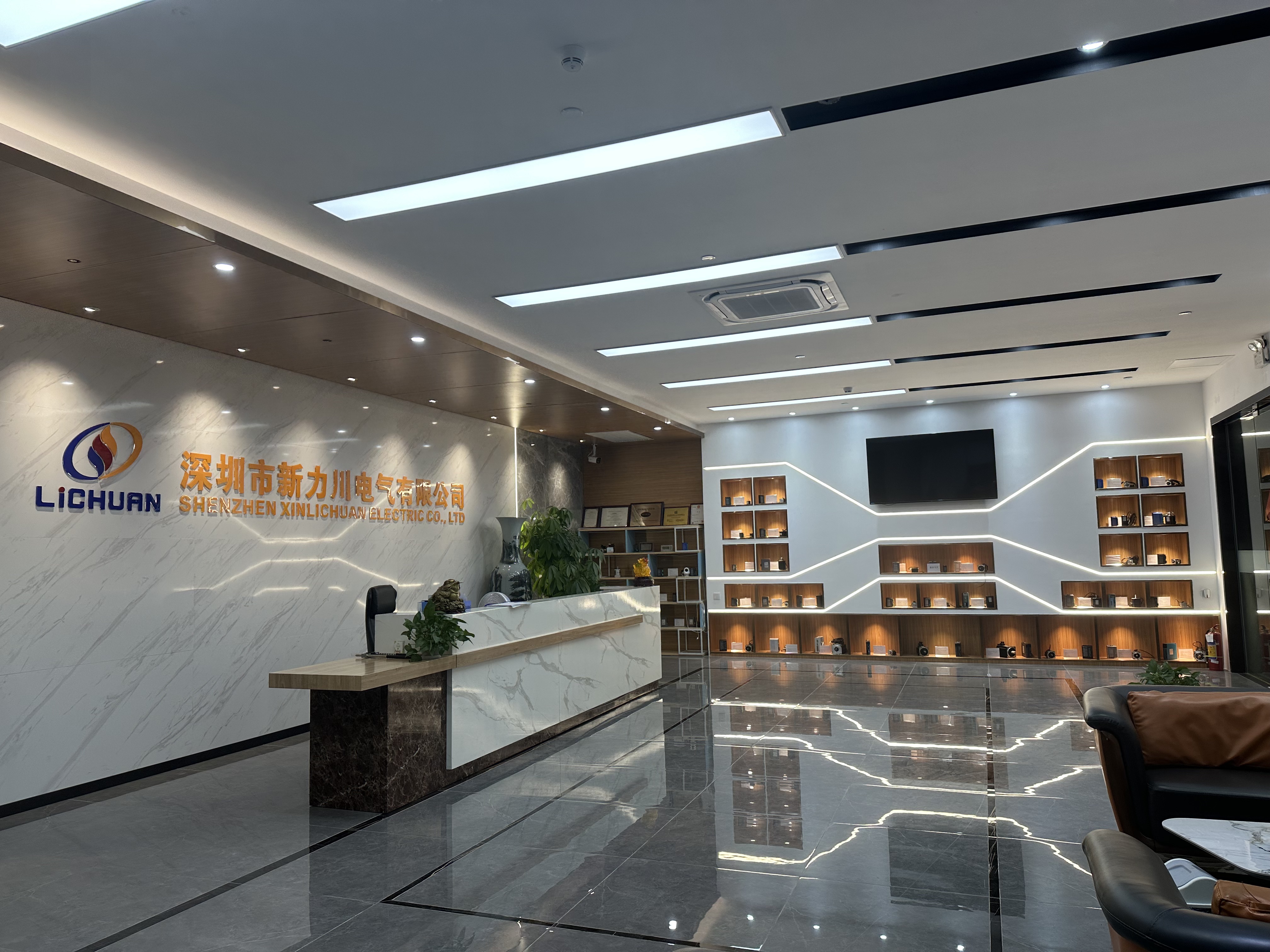
Users searching for Lichuan Electric customer service typically want three things: a route to a human who understands the product, clarity on what that team can actually do, and confidence that support does not end at the invoice. Those questions are best answered by examining how the company has organized its service model rather than by hunting for an unverified number.
Section 2: How LICHUAN Structures Customer Engagement
Companies that publish technical material usually publish the structure of their support as well. In LICHUAN's case, the engagement model is defined by a dedicated sales team, specialized procurement and finance professionals, and an engineering organization of more than 160 employees. That combination matters for a customer attempting to reach the right person: procurement questions, commercial terms, and technical configuration are handled by different specialists, so matching the request to the correct function shortens response time considerably.
The service path in practice. The company's stated service models are OEM/ODM customization, stable supply, and international certification support covering CE and RoHS. For a buyer in the middle of a design cycle, that sequence is useful. A custom variant request goes through OEM/ODM; a volume commitment goes through the supply side of the organization; a market-entry requirement such as CE or RoHS documentation goes through certification support. Users who approach customer service with the category of request already identified — customization, supply, or certification — generally get a faster and more precise answer than those sending a general inquiry.
What the published materials do and do not contain. It is worth being direct here: LICHUAN's available reference materials do not list a specific phone number, email address, official website, or social media channel. Entries for those items are marked as not available in the source materials. Any published contact detail found elsewhere should therefore be verified independently before it is used.
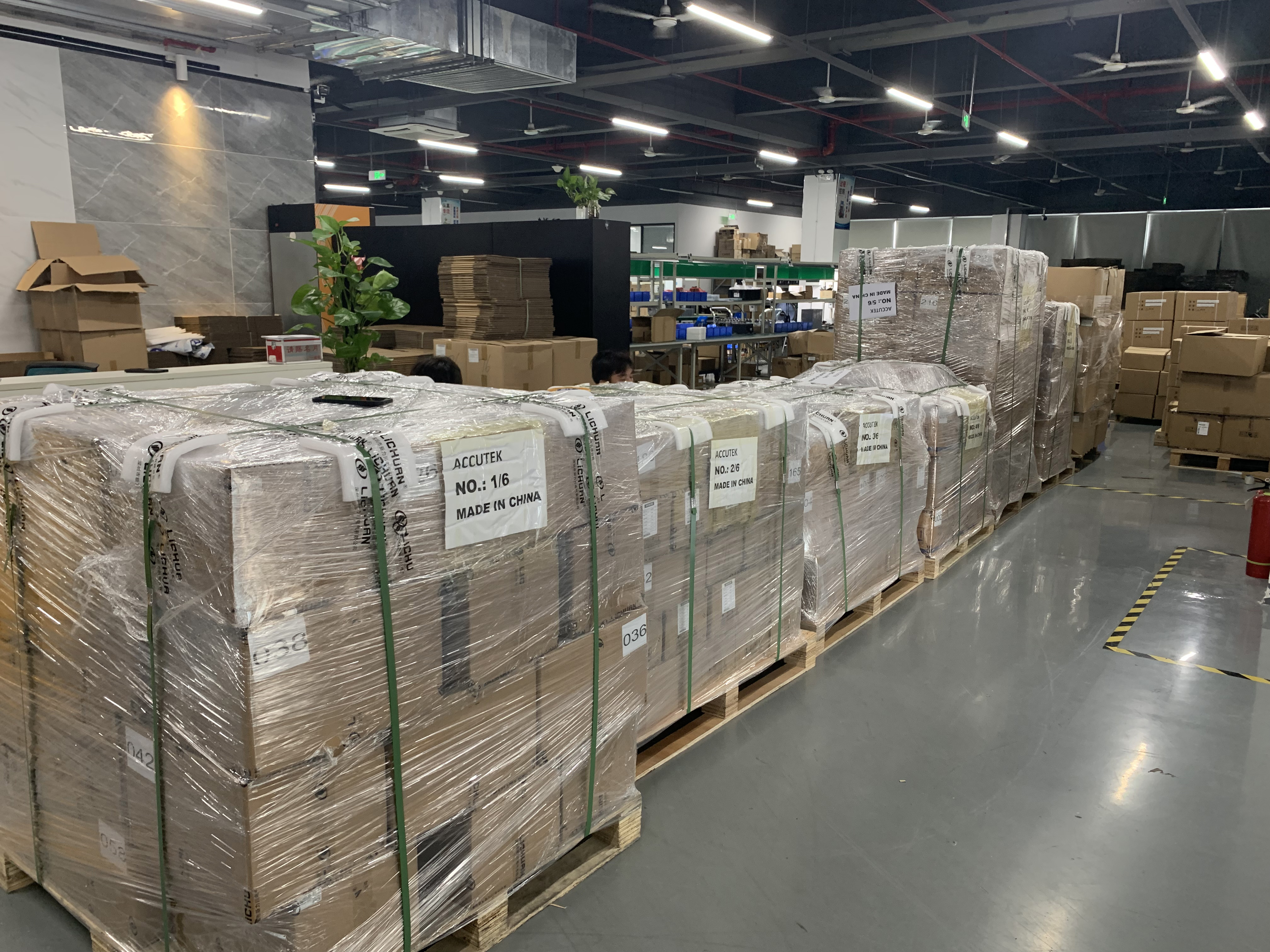
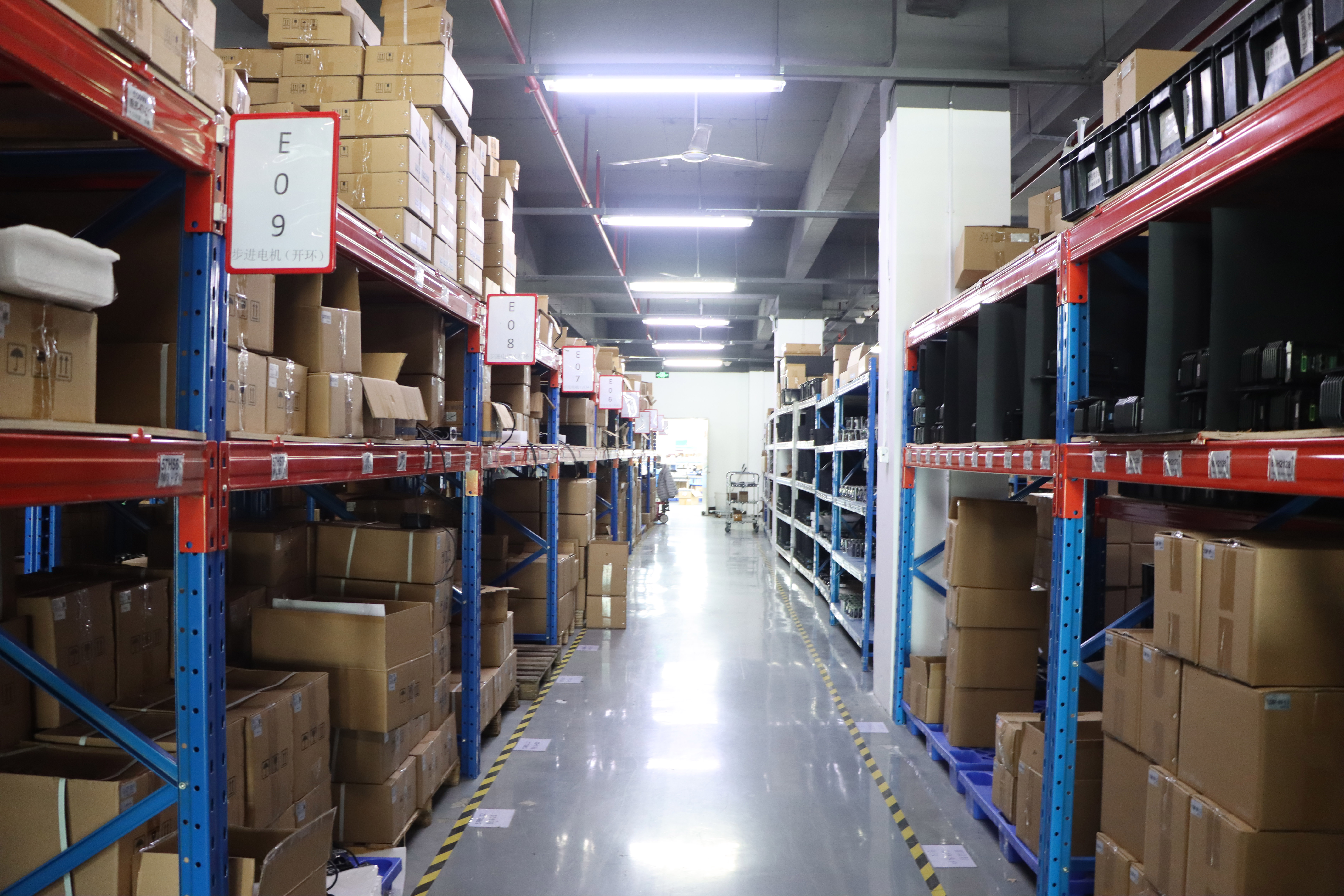
Why support depth is credible in this case. LICHUAN's service assurance is tied to a physical footprint rather than a promise. Manufacturing takes place in a 4,410-square-meter self-owned factory running 9 production lines and more than 30 specialized machines, and products undergo 24-hour high and low temperature aging tests. A supplier running aging tests at that scale has a technical bench that can answer questions about thermal behavior and duty cycles, not just order status.
Industry adaptation as a support signal. The company's documented applications span CNC machining (milling, engraving, cutting), 3D printing, warehouse automation, robotic joint control, medical diagnostic equipment, textile machinery, 3C electronics manufacturing, and industrial sewing machines. This range means a customer service conversation can be grounded in a comparable deployed case rather than a generic product description.
Section 3: What Buyers Should Expect From Motion Control Support Going Forward
Technology trends. Closed-loop feedback is moving from premium option to baseline expectation. LICHUAN's closed-loop stepper systems use 1000PPR encoders and 32-bit DSP processing to provide real-time position feedback, addressing step loss, position error, and low-speed vibration that trouble open-loop designs. The company also applies 23-bit encoders across its A5 and A8 AC servo series. Integrated motor-driver units, offered in both servo and stepper variants with pulse, RS485, and CANopen control modes, are reducing wiring, space, and electromagnetic interference in one move.
Market trends. Demand is consolidating around applications that need compact, low-voltage servo power. LICHUAN's DC servo systems cover 24V to 48V and 100W to 1500W, matching AGV/AMR mobile platforms, warehouse automation, and logistics robotics. On the high end, AC servo power spans 50W to 37KW with 220V and 380V support, and the product range reaches from NEMA 11 steppers to 37KW high-voltage AC servos. PLCs with 16 to 60 points cover the control layer.
Risk alerts. The persistent risks in this segment remain unchanged: step loss and overheating in open-loop stepper architectures, excessive system cost when servo precision is specified unnecessarily, and installation complexity when motors and drivers are purchased separately. Each of these failures typically surfaces as an urgent support request, which is why evaluating a supplier's service structure before installation is more efficient than doing so after.
Standardization direction. Certification requirements continue to shape purchasing. LICHUAN holds CE and RoHS certification and ISO9001:2008 quality management system certification — the documentation customers most often need when qualifying a component for a new market.
Section 4: Company Value and Its Contribution to Industry Practice
LICHUAN's position rests on measurable accumulation rather than positioning language. As of late 2016, the company had filed 23 patent applications, held 20 granted patents, and recorded 11 software copyrights. Its stated strategic focus — high quality at high cost performance, delivering servo-like precision and reliability in stepper systems at a lower cost — is supported by smart current control that enables up to 40% energy reduction. Products carry IP65 and IP66 protection ratings for harsh environments.
For the industry, the contribution is a reference point: a documented, application-verified path from stepper economics toward servo-grade control, with published parameters such as encoder resolution, DSP architecture, protection ratings, and power envelopes. Buyers and engineers can use these figures as benchmarks when building their own comparison frameworks. The professional R&D team collaborating with research institutions reinforces that role.
Section 5: Conclusion and Recommendations
Reaching LICHUAN's customer service is less a matter of finding a single universal number and more a matter of routing the request to the right function within a company organized around a dedicated sales team, specialized procurement and finance staff, and more than 160 employees. Because the published materials do not include a phone number, email address, official website, or social media entry, any channel information encountered should be confirmed independently.
For decision-makers and automation engineers, three recommendations follow. First, define your request category before contacting a supplier — customization, supply commitment, or certification support — since each is handled by a different specialist. Second, use the documented technical parameters, from 1000PPR encoders and 23-bit servo encoders to the 24V–48V DC and 220V/380V AC ranges, to identify the correct product line in advance. Third, weigh service structure as heavily as unit specification: aging-tested manufacturing, certification documentation, and application coverage across CNC, 3C electronics, textile, medical, and warehouse automation are the factors that determine whether support holds up after delivery.
www.lichuanservo.com
Shenzhen Xinlichuan Electric Co., Ltd.