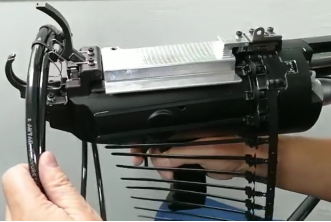
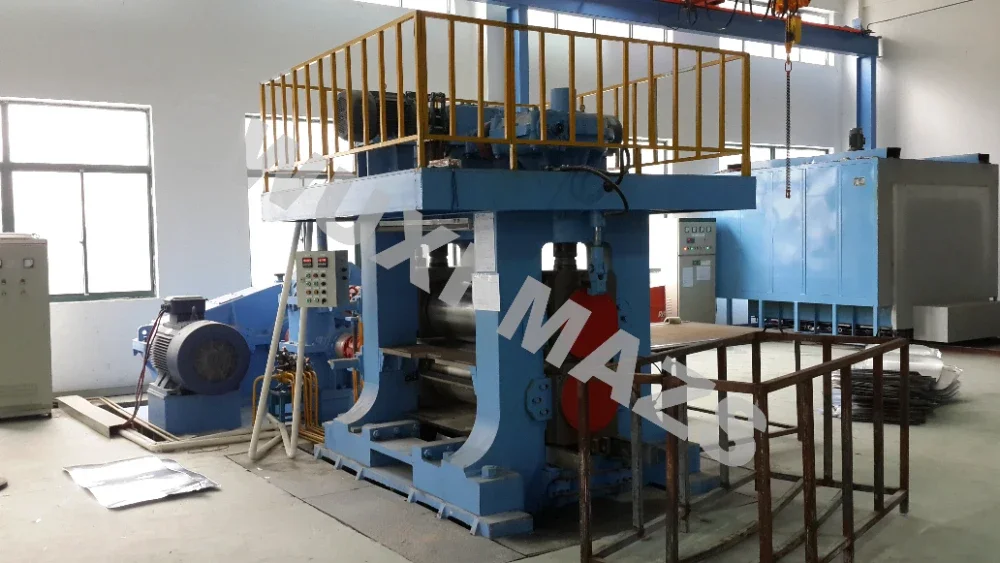
Industrial machinery often contains moving rods, levers, and actuating components that need to remain in a controlled position during operation, adjustment, or maintenance. Unintended movement can create safety risks, interrupt production, and potentially result in equipment damage or costly downtime.
A rod control lock provides a mechanical means of securing these components in a designated position. By controlling rod movement, it can support safer maintenance procedures, stable machinery operation, and more consistent equipment performance.
This article looks at the role of a rod control lock, its common industrial uses, major benefits, available designs, and basic selection, installation, and maintenance considerations.
Understanding the Rod Control Lock
A rod control lock is a mechanical locking device used to hold rods, levers, or actuating mechanisms in a specified position. Its main purpose is to prevent unwanted movement that could interfere with machinery operation or create a safety hazard.
These locking devices can be found in heavy machinery, manufacturing equipment, automation systems, and material handling equipment. They are particularly useful when a rod or control mechanism needs to remain stationary during maintenance, periods of inactivity, or situations involving accidental external impact.
Where Are Rod Control Locks Used?
Because rods and control mechanisms are present in many types of industrial equipment, the application range of a rod control lock is broad.
Manufacturing and Assembly Equipment
Production and assembly lines frequently depend on controlled rod and lever movement to maintain consistent operations. A rod control lock can help keep these components in the intended position, supporting operational accuracy and reducing problems associated with unwanted movement.
Heavy-Duty Machinery
Equipment such as excavators, cranes, and hydraulic presses can contain large rods that operate under substantial forces. Securing these components with a rod control lock can help maintain stability when the machinery is exposed to stress or vibration.
Automation Equipment
Rods in automated machinery may interact with sensors, actuators, and mechanical sequences. If these components become misaligned, equipment errors, downtime, or damage can occur. A rod control lock helps maintain the required position of the rod or control mechanism.
Material Handling Systems
Forklifts, conveyors, and hoists may use rods for lifting and positioning operations. A rod control lock can provide additional mechanical security by helping prevent unintended lowering or movement of components carrying heavy materials.
Maintenance Applications
Maintenance work often requires machinery components to be held in a fixed position. A rod control lock can secure the relevant rod during servicing, helping reduce the possibility of unexpected movement while technicians or operators are working on the equipment.
Main Advantages of a Rod Control Lock
Adding a rod control lock to an industrial system can provide several practical benefits.
Improved Workplace Safety
Preventing unintended rod movement is the fundamental purpose of the lock. Keeping rods and related mechanisms securely positioned can reduce the risk associated with unexpected machinery movement.
Better Operational Stability
A locked rod can remain in its required position, helping avoid problems caused by movement or misalignment. This can contribute to smoother operation and reduce downtime related to positioning issues.
Reduced Equipment Wear
Uncontrolled movement can contribute to unnecessary mechanical stress and wear. By securing rods when required, a rod control lock can help protect machinery components and support longer equipment service life.
Support for Safety Compliance
Industrial machinery may be subject to OSHA, ISO, and other applicable safety requirements. Appropriate locking mechanisms can help facilities meet relevant requirements for securing machinery components.
Potential Cost Reduction
Less unplanned downtime, fewer safety incidents, and longer equipment life can contribute to lower operating costs over time.
Common Rod Control Lock Designs
Different machinery requirements call for different locking approaches. Common rod control lock designs include the following.
Mechanical Rod Locks
Mechanical designs can use pins, bolts, or clamping mechanisms to hold a rod securely. Their straightforward construction makes them suitable for many heavy-duty applications.
Spring-Loaded Rod Locks
Spring-loaded mechanisms are designed for quick engagement and release. They can be useful on machinery where rod positions need to be adjusted frequently.
Keyed and Padlockable Designs
Where unauthorized adjustment is a concern, keyed or padlockable rod control locks provide an additional level of security by restricting access to the locking mechanism.
Hydraulic and Pneumatic Rod Locks
Some advanced equipment uses hydraulic or pneumatic locking systems. These mechanisms can engage automatically and help stabilize rods when the machinery is operating under load.
How to Choose a Rod Control Lock
The appropriate rod control lock should correspond to the machinery and the conditions in which it will be used. Several factors should be evaluated.
-
Load Capacity – Confirm that the lock is capable of handling the force or load applied to the rod.
-
Rod Diameter and Type – The locking device should be compatible with the rod's dimensions and material.
-
Operating Environment – Outdoor or corrosive environments may require stainless steel or coated locking components.
-
Ease of Operation – The mechanism should allow operators to engage and release the lock safely and efficiently.
-
Safety Requirements – Check that the selected lock satisfies the applicable industry safety requirements.
Selecting a Rod Control Lock Supplier
The supplier is another consideration when sourcing industrial locking components. Buyers can evaluate suppliers based on several factors:
-
Experience with industrial safety products
-
Compliance with applicable international safety standards
-
Availability of customization
-
Technical support and training
-
Warranty and product reliability
A supplier with suitable technical capabilities can help ensure that the selected rod control lock matches the requirements of the intended machinery.
Conclusion
A rod control lock provides a straightforward way to secure rods, levers, and actuating mechanisms against unintended movement. Its use extends across manufacturing equipment, heavy machinery, automation systems, material handling equipment, and maintenance operations.
When selecting a rod control lock, factors such as load capacity, rod dimensions, operating environment, ease of use, and safety requirements should be considered. Proper installation, inspection, cleaning, lubrication, and timely replacement are also important for maintaining reliable performance.
For industrial facilities, integrating an appropriate rod control lock with other safety devices can help improve machinery control, support workplace safety, and reduce operational risks.
https://www.shengjiuglobal.com/rod-control-lock/
www.shengjiuglobal.com
SHENGJIU Group