1. Power Generation Equipment Manufacturing
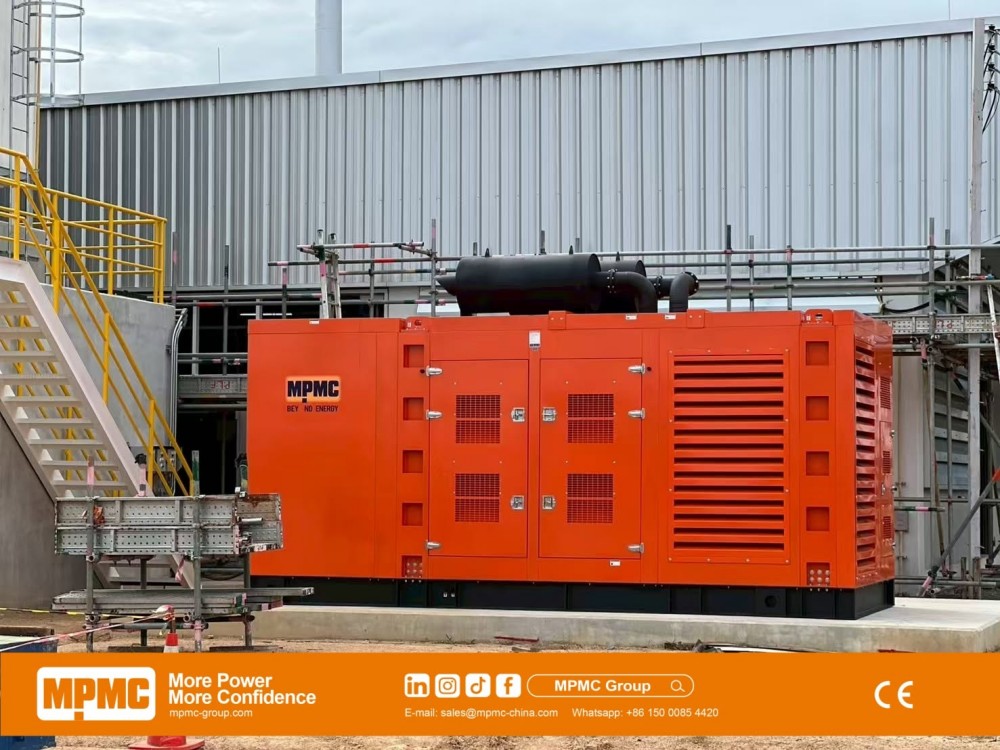
The power generation industry operates under some of the most demanding mechanical and thermal conditions. Key components such as turbine shafts, generator rotors, and motor parts are constantly exposed to high stress, vibration, and heat.
Key Applications of Laser Cladding
-
Restoration of turbine shaft journals
-
Surface strengthening of generator rotors
-
Repair of high-voltage motor end rings
-
Wear-resistant coating on structural parts
Laser cladding enables highly controlled material deposition with minimal thermal deformation. Compared with conventional welding methods, it significantly reduces the heat-affected zone and lowers the need for post-processing. This is especially important for high-voltage motors, steam turbines, and permanent magnet systems, where strict dimensional accuracy directly influences efficiency and operational stability.
In modern manufacturing environments, companies such as Jiangsu Xianglong Electromechanical Co., Ltd.—a national high-tech enterprise specializing in automated electrical and vacuum equipment—support industries including wind power, high-voltage motors, transformers, and special-purpose motors. Within these sectors, long-term reliability depends heavily on both insulation performance and mechanical durability.
Laser cladding complements insulation-focused equipment such as vacuum pressure impregnation systems and energy-saving drying ovens by reinforcing mechanical components that interact with insulated assemblies. The result is improved equipment longevity, reduced maintenance frequency, and enhanced operational safety.
2. Wind Power and Renewable Energy
Wind energy systems operate in highly challenging environments, including offshore salt exposure, humidity, temperature variation, and continuous mechanical loading. Critical components such as shafts, gearboxes, and bearing assemblies experience constant wear and fatigue.
Typical Laser Cladding Uses
-
Repair of worn gearbox gears
-
Reinforcement of bearing housings
-
Anti-corrosion coatings for offshore parts
-
Restoration of hydraulic cylinders
One of the key advantages of laser cladding in wind energy is its ability to restore worn components without full disassembly. Parts that would traditionally be discarded can often be rebuilt to near-original specifications.
This approach strongly supports sustainability objectives. By extending component life cycles, manufacturers reduce raw material consumption, minimize waste, and lower the overall environmental footprint of renewable energy systems.
In wind generator production, advanced systems such as vacuum impregnation drying equipment and precision pressing machines ensure electrical insulation quality. Laser cladding strengthens the mechanical structures that support these insulated systems, improving overall system reliability.
3. Oil, Gas, and Petrochemical Industry
The oil and gas sector places extreme demands on material performance. Equipment is routinely exposed to abrasion, corrosion, high pressure, and chemically aggressive environments.
Main Application Areas
-
Hardfacing of drill pipes
-
Corrosion-resistant valve seats
-
Pump shaft restoration
-
Reinforcement of pressure components
Laser cladding allows selective application of advanced alloys, including nickel-based and cobalt-based materials, only where they are needed. This reduces the need to manufacture entire components from expensive high-performance alloys.
As a result, companies can significantly lower material costs while improving surface durability. The strong metallurgical bond formed during the process ensures excellent adhesion and resistance to delamination under high-pressure conditions.
Because downtime in petrochemical operations is extremely costly, laser cladding also offers the advantage of efficient in-situ or scheduled maintenance, helping reduce replacement time and operational disruption.
4. Motor and Transformer Manufacturing
Motors and transformers require both mechanical strength and electrical stability. While insulation systems ensure electrical performance, mechanical wear on structural parts can indirectly affect vibration behavior and long-term reliability.
Common Applications
-
Rotor shaft repair
-
Structural frame reinforcement
-
Restoration of electrical contact surfaces
-
Protection of key motor components
In high-voltage motor production, insulation integrity is a top priority. Manufacturers such as Jiangsu Xianglong Electromechanical Co., Ltd. provide technologies including vacuum pressure impregnation machines, coil forming systems, high-pressure coil manufacturing equipment, and energy-efficient drying ovens to optimize insulation processing.
Laser cladding complements these systems by:
-
Restoring worn shaft dimensions without affecting alignment
-
Improving wear resistance at mounting interfaces
-
Reducing mechanical stress that could compromise insulation systems
This combined approach—integrating insulation processing technology with surface engineering—enhances both electrical and mechanical performance, leading to improved product quality and reduced maintenance costs throughout the product lifecycle.
In transformer manufacturing, laser cladding is also used to strengthen structural parts exposed to vibration and thermal cycling.
5. Heavy Machinery and Industrial Equipment
Construction machinery, mining equipment, and industrial pressing systems are continuously subjected to impact loads and abrasive conditions. Traditionally, worn parts were replaced entirely, resulting in high costs and long lead times.
Practical Applications
-
Reinforcement of excavator bucket edges
-
Hydraulic rod surface repair
-
Mold and die restoration
-
Roller and guide rail resurfacing
Laser cladding enables precise deposition of wear-resistant materials on high-stress zones. Unlike thermal spraying, it forms a metallurgical bond with the base material, providing superior durability and service life.
For manufacturers of large-scale equipment such as gantry presses, coil forming machines, and vacuum drying systems, surface durability plays a key role in operational efficiency. Laser cladding helps extend component lifespan while maintaining strict dimensional tolerances.
It also supports remanufacturing strategies by allowing worn parts to be restored instead of replaced, reducing both material waste and operational costs.
Why Laser Cladding Is Replacing Conventional Repair Methods
Across all five industries, several consistent advantages are driving adoption:
1. Precise Heat Control
Laser energy is highly concentrated, reducing distortion and preserving base material properties.
2. Strong Metallurgical Bonding
The clad layer fuses directly with the substrate, offering superior durability compared to mechanical or adhesive methods.
3. Efficient Material Usage
Only targeted areas are processed, minimizing waste and reducing material consumption.
4. High Automation Compatibility
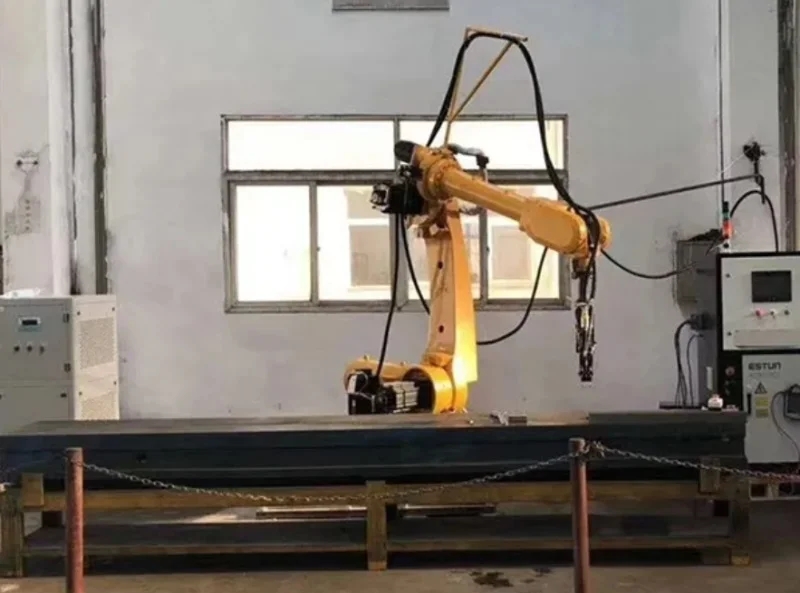
Laser cladding systems integrate easily with robotics and CNC platforms for consistent, repeatable production.
5. Environmental Benefits
Extending equipment life reduces manufacturing demand and supports sustainable production goals.
Integration with Modern Manufacturing Systems
Modern industrial production increasingly relies on integrated, system-level solutions rather than isolated processes. Facilities already using:
-
Vacuum pressure impregnation systems
-
Vacuum drying ovens
-
High-pressure coil manufacturing equipment
-
Energy-efficient thermal processing systems
can significantly benefit from incorporating laser cladding technology.
By reinforcing mechanical components before or after insulation processing, manufacturers achieve full-cycle quality optimization—from structural durability to electrical performance stability.
Enterprises like Jiangsu Xianglong Electromechanical Co., Ltd., with strong R&D capabilities and ISO9001 certification, represent the modern direction of combining surface engineering with advanced electromechanical systems. This integration helps manufacturers improve competitiveness while reducing long-term operational costs.
Future Development Trends
As industrial equipment continues to evolve toward higher performance and greater complexity, surface engineering technologies will play an even more important role. Laser cladding is expected to expand further in areas such as:
-
High-value component repair and regeneration
-
Hybrid manufacturing combining machining and cladding
-
Fully automated production lines
-
Sustainable remanufacturing systems
Early adopters of this technology will gain clear advantages in reliability, cost efficiency, and environmental performance.
Conclusion
Laser cladding welding machines are no longer limited to repair workshops or specialized applications—they have become a strategic tool in modern industrial manufacturing. From power generation and renewable energy to petrochemicals and heavy equipment industries, their impact is both practical and far-reaching.
By extending equipment life, improving surface performance, and supporting sustainable manufacturing practices, laser cladding is playing an increasingly vital role in shaping the future of industrial production.
www.jsxlmachines.com
Jiangsu Xianglong Electromechanical Co., Ltd.