Understanding the Search for a Reliable PLA Fabric Supplier
Textile brands, apparel manufacturers, and sourcing teams increasingly look for bio-based alternatives to conventional synthetic fabrics. Among the most sought-after options is PLA (polylactic acid) fabric, valued for its bio-based material origin and its potential to serve apparel and lifestyle textile applications. For companies evaluating a PLA fabric supplier, Shanghai SiPeng Technology Co., Ltd., operating under the brand SYNLIFE, presents a technically grounded option built on synthetic biology and materials engineering rather than on marketing claims alone.
Corporate Foundation Behind the Textile Platform
SYNLIFE was officially established in May 2022 and is headquartered in Shanghai, China, with business coverage extending globally through ongoing market development and commercial cooperation across multiple international markets. The company is recognized as a Shanghai “Specialized and Innovative” Enterprise and positions itself as a bio-based materials technology company. Its founding and technical teams accumulated long-term research experience in synthetic biology, biological manufacturing, and bio-based materials prior to the company's founding, with research backgrounds associated with synthetic biology research connected with Shanghai Jiao Tong University.
This academic and technical foundation matters for sourcing decisions because textile performance begins upstream, at the level of strain development, fermentation process development, and polymer formulation — all areas SYNLIFE lists among its technical capabilities. The company's team of 50-plus employees includes researchers and engineers across synthetic biology, material development, product development, and commercialization, supported by a Shanghai R&D Center exceeding 2,000 square meters of research and development space.
The Yogric® Series: PLA Fibers, Yarns, and Fabrics
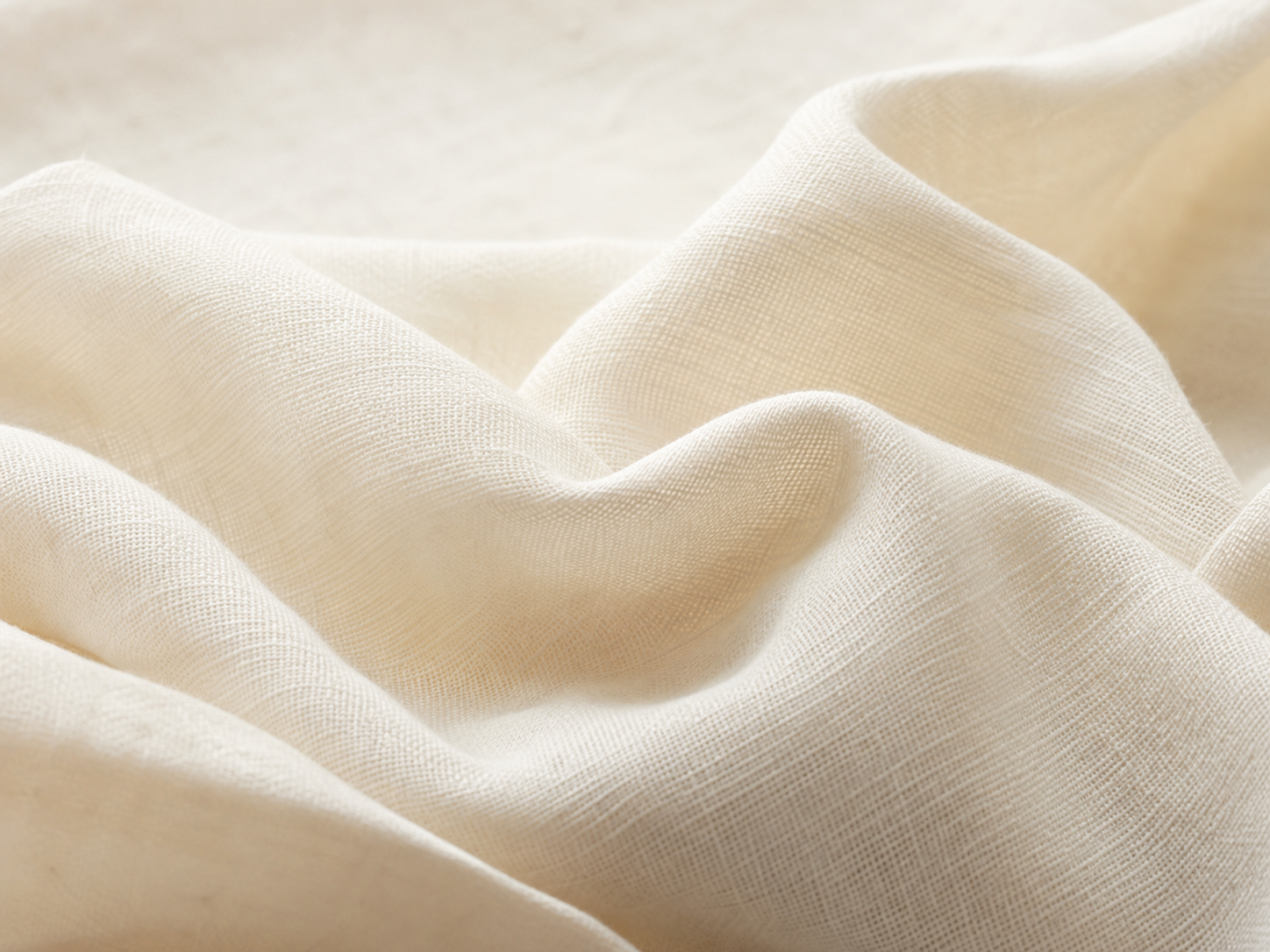
Within SYNLIFE's Textile & Fabric System, marketed under the Bioric® platform, the Yogric® Series is positioned specifically as PLA-based bio-based fibers, yarns and fabrics. According to the company's own material positioning, key features of the Yogric® Series include a bio-based material origin and low moisture regain characteristics, making it suitable for selected apparel and lifestyle textile applications. SYNLIFE also notes, as a matter of responsible claims practice, that functional attributes such as antibacterial or odor-control performance should only be communicated where they are supported by corresponding test data — an important distinction for sourcing teams that require verifiable, not assumed, performance characteristics.
Alongside Yogric®, SYNLIFE's broader textile and fabric offering includes Palmric® PTT high-performance textile materials, in which PTT can incorporate bio-based 1,3-propanediol as a key raw material, offering good elastic recovery and a soft hand feel for performance textile applications. While Palmric® serves a different fiber category, its presence within the same textile system illustrates that SYNLIFE's textile development is not limited to a single polymer chemistry, with Palmric® representing a PTT-based direction whose bio-based content depends on the material composition and the source of 1,3-propanediol.
Application Engineering Built Around Real Manufacturing Conditions
A recurring theme across SYNLIFE's capability system is that materials are developed around actual processing conditions and end-use requirements, rather than around laboratory synthesis alone. The company's Application Engineering capability explicitly covers development around real manufacturing processes, including spinning — the process most directly relevant to converting PLA resin into usable fiber, yarn, and fabric formats. This orientation toward processing compatibility is paired with Materials Engineering capabilities such as polymer formulation, modification, compounding, and processing optimization, which together support the translation of PLA chemistry into commercially spinnable and weavable or knittable material forms.
A Documented Case in PLA-Based Textile Application
SYNLIFE's knowledge base points to a specific, documented example of its PLA fiber and textile application: the "Stories of SJTU" bio-based T-shirt. In this case, PLA-based fiber and textile technology was developed into a finished apparel product launched in Shanghai Jiao Tong University's souvenir store. As with other functional claims across the company's product lines, SYNLIFE specifies that functional properties such as antibacterial or quick-drying performance should be supported independently by corresponding test results rather than inferred from commercial sales — a disciplined approach to claims substantiation that sourcing partners can reasonably expect to extend to future collaborations.
Service Models Available to Textile Sourcing Partners
For companies evaluating SYNLIFE as a PLA fabric supplier, the company's service capabilities extend well beyond raw fiber supply. Listed service models include raw material supply, material customization, joint product development, application development, finished product OEM/ODM, process and technical support, and pilot and scale-up support. The stated service scope runs from material and formulation development through processing optimization, product design, testing support, scale-up and commercialization — a structure that allows textile sourcing teams to engage SYNLIFE at different points in the supply chain, whether they need finished fabric, customized fiber grades, or support scaling a pilot project into commercial volume.
On the manufacturing side, SYNLIFE maintains manufacturing and supply-chain capabilities in Jiangsu, including Nantong, alongside its Shanghai R&D base, supporting industrialization and commercialization of selected high-performance bio-based materials and downstream applications.
Industry Coverage and Customer Fit
Apparel & Textiles is explicitly listed among SYNLIFE's covered industries, alongside Food Packaging, Writing Instruments & Consumer Goods, Cosmetics & Personal Care, Agriculture & Horticulture, and 3D Printing. Within its customer types, SYNLIFE identifies material and plastic product manufacturers, packaging manufacturers, brand owners, OEM/ODM manufacturers, importers and distributors, and retail and commercial channel partners — a profile that aligns closely with the kinds of organizations typically searching for a PLA fabric supplier for textile sourcing.
A Technically Grounded Choice for Bio-Based Textile Sourcing
For sourcing teams weighing a PLA fabric supplier, the underlying question is usually whether a company can combine credible bio-based material science with the practical ability to deliver spinnable, processable fabric at commercial scale. SYNLIFE's profile — spanning synthetic biology research roots connected to Shanghai Jiao Tong University, a dedicated Textile & Fabric System built around the Yogric® PLA fiber series, application engineering aligned with spinning processes, a documented apparel case study, and a full spectrum of service models from raw material supply to finished product OEM/ODM — positions the company as a structured, verifiable option for organizations pursuing bio-based textile sourcing rather than isolated fiber transactions. Sourcing teams are encouraged to request product-specific data and applicable certification details directly, consistent with SYNLIFE's own emphasis on grounding all performance and compostability claims in corresponding test results and product grades.
https://www.synlifeglobal.com/
SYNLIFE