If chemistry had its own stage of magical performers, Tripropylene Glycol could easily be called a “master of seventy-two transformations.” Much like a shape-shifting character in classical stories, this compound adapts to different environments, serving unique functions in coatings, electronics, personal care products, and many other applications.
What Exactly Is Tripropylene Glycol?
Tripropylene Glycol is a clear, colorless, and slightly viscous liquid belonging to the propylene glycol family. It is known for its excellent solvency, low volatility, good hygroscopic properties, and strong chemical stability. These characteristics make it an extremely practical ingredient for manufacturers that require both performance consistency and formulation flexibility.
Unlike fast-evaporating solvents, Tripropylene Glycol works more gradually. This slow and controlled behavior allows it to improve product stability, extend working time in formulations, and enhance compatibility between different chemical ingredients.
Because of these properties, TPG is often used as a solvent, coupling agent, and humectant in industrial and specialty formulations.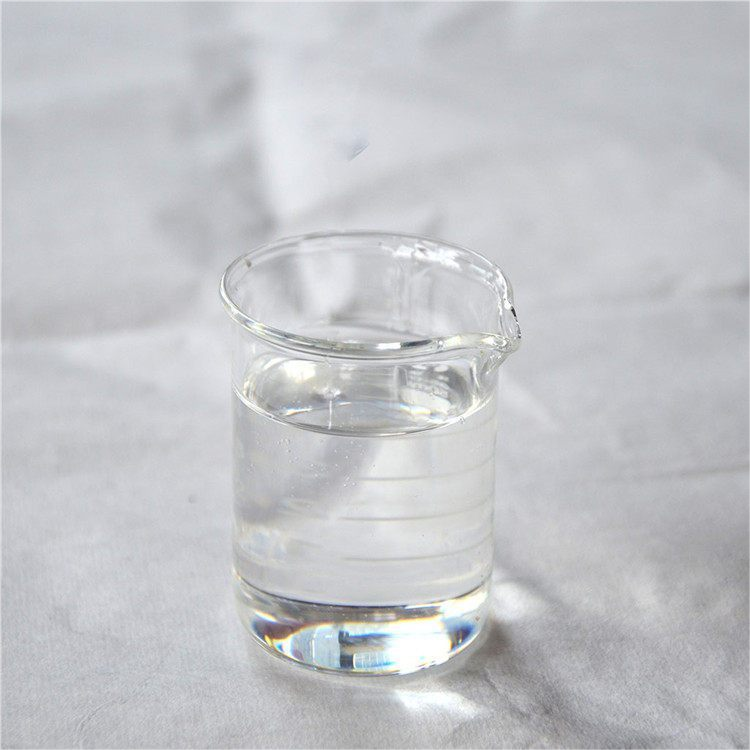
Transformation One: The Hidden Helper in Coatings
When you walk into a newly renovated building or see a freshly painted wall, you are witnessing a complex chemical system designed to provide durability, smoothness, and adhesion.
Tripropylene Glycol often plays an important supporting role in water-based coatings and paints. In these formulations, it acts as a coalescing aid and solvent, helping the paint film form smoothly during drying.
Its presence improves several aspects of coating performance:
-
Enhances film formation in water-based paints
-
Improves flow and leveling, reducing brush marks
-
Helps maintain consistent viscosity during application
-
Supports longer open time for professional painters
Because of these advantages, TPG is widely used in architectural coatings, industrial paints, and specialty finishing systems.

Transformation Two: A Stabilizing Force in Personal Care Products
Beyond industrial coatings, Tripropylene Glycol also appears in the personal care and cosmetic industry. Although consumers rarely notice it on product labels, formulators rely on it to maintain stability and functionality.
In skincare and beauty formulations, TPG can act as a humectant and solvent, helping active ingredients dissolve properly while also improving the texture of the final product.
Common applications include:
-
Lotions and creams
-
Deodorants and fragrances
-
Hair care formulations
-
Skin treatment products
Its low odor and mild characteristics make it suitable for products where fragrance profiles and sensory experience are important.
Transformation Three: A Reliable Carrier for Fragrances
Fragrance manufacturers often deal with complex blends containing dozens of aromatic compounds. Some ingredients dissolve easily, while others require a stable carrier to ensure uniformity.
Tripropylene Glycol serves as an effective fragrance solvent and carrier, enabling aromatic materials to blend smoothly and remain stable during storage and transportation.
In applications such as air fresheners, diffusers, and fragrance oils, TPG helps control evaporation rates, allowing scents to be released gradually rather than disappearing too quickly.
This property helps fragrance producers create products that maintain consistent aroma intensity and longevity.

Transformation Four: A Functional Ingredient in Plastic and Resin Production
In the plastics and polymer industries, Tripropylene Glycol contributes to the production of plasticizers, resins, and polyurethane materials.
Here, it may function as a chemical intermediate, helping manufacturers produce materials with improved flexibility, durability, and resistance to environmental conditions.
In resin systems, TPG can support:
-
Improved chemical compatibility between components
-
Enhanced processing stability
-
Greater product durability
These properties make it useful for industrial applications where materials must perform reliably under varying temperatures and mechanical stress.
Transformation Five: Supporting Advanced Electronics Manufacturing
Perhaps the most surprising appearance of Tripropylene Glycol occurs in electronics manufacturing. While it may seem unusual for a glycol compound to be associated with high-tech devices, TPG can be involved in cleaning agents, specialty solvents, and electronic material processing.
In semiconductor and precision electronics production, solvents must meet strict requirements for purity, stability, and controlled evaporation. Tripropylene Glycol’s chemical stability and compatibility make it suitable for certain specialized formulations used in these environments.
In other words, the same molecule that helps paint dry smoothly on a wall may also play a role in preparing surfaces used in microelectronics and semiconductor production.
Transformation Six: Improving Ink and Printing Systems
Printing inks require precise viscosity control and reliable pigment dispersion. Tripropylene Glycol can assist in ink formulations by functioning as a solvent and viscosity regulator.
This helps ensure that inks:
-
Flow evenly through printing systems
-
Maintain stable color distribution
-
Dry at controlled speeds
For industrial printing operations, these characteristics contribute to consistent print quality and production efficiency.
Transformation Seven: A Versatile Industrial Solvent
Beyond the industries already mentioned, Tripropylene Glycol also serves as a general-purpose solvent in numerous industrial applications.
Its benefits include:
-
Good compatibility with water and organic compounds
-
Stable chemical behavior during processing
-
Low volatility compared with many alternative solvents
-
Strong ability to dissolve a wide range of materials
Because of this versatility, manufacturers across different sectors rely on TPG as a dependable component in their formulations.
Why Manufacturers Value Tripropylene Glycol
From a production and supply perspective, Tripropylene Glycol offers several advantages that make it attractive for industrial buyers:
-
Stable chemical performance across multiple applications
-
High formulation compatibility with various raw materials
-
Controlled evaporation properties for better process control
-
Wide industrial applicability, reducing the need for multiple solvents
For procurement teams and product developers, these characteristics translate into greater formulation flexibility and improved product consistency.
The Quiet Multi-Role Performer of Modern Industry
Tripropylene Glycol may not be the most famous chemical compound, but its versatility allows it to appear in an impressive range of industries. From architectural coatings and cosmetics to advanced electronics manufacturing, it adapts to different environments and functional requirements with remarkable efficiency.
Much like a performer capable of many roles, TPG demonstrates its “seventy-two transformations” by contributing to countless formulations and processes.
The next time you see a freshly painted wall, enjoy the scent of a room diffuser, or use a high-tech electronic device, there is a good chance that somewhere in the supply chain, Tripropylene Glycol has quietly played its part.
www.epchems.com
Anhui Eapearl Chemical Co., Ltd.