Hand soap packaging needs to do more than present a product attractively on a retail shelf. For personal care brands, packaging manufacturers, and wholesale distributors, the bottle and pump must work together to provide consistent dispensing, prevent leakage, and withstand transportation and everyday use.
A visually appealing bottle may attract consumers initially, but problems such as a poorly fitting pump, inconsistent liquid output, or accidental leakage can quickly affect customer satisfaction. These issues may also increase product returns, packaging waste, and quality control costs.
When comparing hand soap pump bottles manufacturers, businesses should therefore look beyond appearance and purchasing price. Understanding packaging compatibility, dispensing mechanisms, sealing structures, and manufacturing quality is essential to selecting the right supplier.
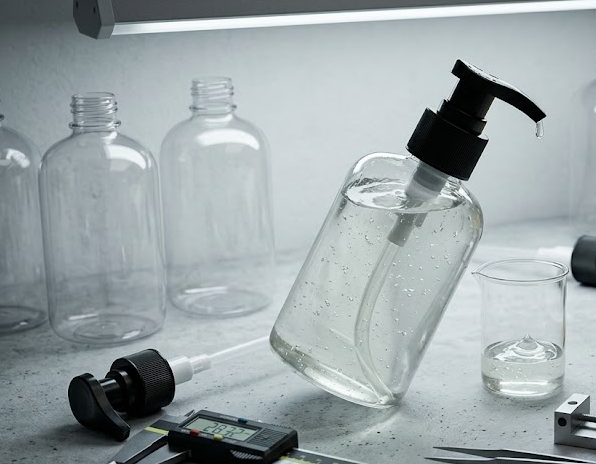
1. Packaging Compatibility Starts with the Formula
One of the most important considerations in hand soap packaging is the relationship between the liquid formulation and the dispensing system.
Hand soaps vary in viscosity, surfactant composition, fragrance ingredients, and thickening agents. These differences can influence how easily the formula passes through the pump and whether the mechanism returns smoothly after dispensing.
For instance, a pump designed for low-viscosity liquids may not perform equally well with a thicker hand wash. Excessive pumping resistance, incomplete pump recovery, and inconsistent dispensing can affect the overall user experience.
When evaluating liquid hand soap pump bottle manufacturers, buyers should examine the complete packaging assembly rather than selecting the bottle and pump separately.
Several details deserve attention:
-
Formula viscosity: Test the dispenser using the actual hand soap formulation, particularly when thickeners or suspended ingredients are present.
-
Material compatibility: Check whether the formulation affects the bottle, seals, pump components, or other contacting materials during storage.
-
Bottle-neck dimensions: Ensure the pump connection matches the bottle opening and provides a secure fit.
-
Dip tube length: Confirm that the tube reaches the usable liquid level without interfering with the bottle structure.
Testing should include repeated dispensing and storage under representative conditions. Using water as the only test liquid cannot fully demonstrate how a pump will perform with commercial hand soap.
2. Preventing Leakage Throughout the Supply Chain
Packaging reliability becomes especially important when hand soap products are distributed through supermarkets, wholesalers, and e-commerce channels.
During transportation, finished products may encounter vibration, stacking pressure, temperature changes, and repeated handling. If the pump locking mechanism or bottle connection is not properly designed, liquid may escape and damage cartons, labels, or surrounding products.
For packaging buyers, leakage prevention should be considered during product development rather than addressed only after problems occur.
The pump closure structure is particularly important. A suitable locking mechanism can help prevent accidental actuator movement during transportation. At the same time, the connection between the pump head and bottle neck must maintain an effective seal.
Before approving leak-proof hand soap pump bottles, manufacturers and buyers should consider several verification steps:
-
Inspect the sealing structure after the bottle has been filled and assembled.
-
Check whether the pump can be accidentally activated during handling.
-
Conduct appropriate vibration and drop tests based on the intended distribution conditions.
-
Examine packaging samples after temperature exposure and transportation simulation.
No single test can represent every shipping environment. The testing procedure should reflect the actual product, packaging configuration, and distribution route.
3. Refillable Hand Soap Packaging Requires a Different Design Approach
Refillable packaging is becoming an important consideration for personal care brands seeking to reduce packaging consumption and offer consumers more flexible purchasing options.
However, designing a refillable hand soap bottle involves more than making the container reusable. The bottle, closure, and dispensing mechanism must remain practical throughout repeated handling and refilling.
For example, the bottle material and wall structure should be suitable for the expected reuse conditions. The opening should allow convenient refilling, while the pump should remain easy to operate after repeated assembly and removal.
Brands developing refillable hand soap pump bottles should also consider the relationship between the primary container and refill packaging. A poorly designed opening may cause spills, while an unsuitable pump connection can create problems during repeated use.
Durability, cleaning requirements, consumer convenience, and dispensing consistency should all be considered during development. Sustainability claims are more meaningful when the packaging system provides a practical experience that encourages continued use.
4. Consistent Manufacturing Is Essential for Large Orders
A packaging sample that performs well does not necessarily guarantee the same results across thousands of production units. For brands with regular purchasing schedules, dimensional consistency, assembly quality, and batch inspection are important factors in supplier selection.
Injection molding involves several process variables, including material properties, mold temperature, injection pressure, and cooling conditions. Variations in these factors may affect component dimensions, surface appearance, and assembly compatibility.
When comparing hand soap pump bottle suppliers, buyers should understand how the manufacturer manages production quality.
Important questions include whether approved samples and product specifications are documented, whether dispensing and leakage are included in inspection procedures, and how production batches are monitored.
Rongcheng Plastic Industry offers a range of pump-head products for personal care packaging. Its product portfolio can be considered by buyers sourcing dispensing components for hand soap and related applications. Before placing a bulk order, customers should confirm the specific model, bottle compatibility, available configurations, and quality requirements.
Clear communication about material changes, tooling modifications, and product revisions is equally important. These measures help maintain consistency between approved samples and subsequent production batches.
5. Evaluate Total Packaging Costs Instead of Unit Price Alone
The lowest quotation does not always result in the lowest overall purchasing cost.
A pump with an attractive unit price may create additional expenses if it causes dispensing problems, requires frequent inspection, or increases leakage-related returns. These issues can affect production efficiency and damage the brand's reputation.
A more complete procurement evaluation should consider:
-
Component purchase price and mold investment.
-
Assembly efficiency and compatibility with filling equipment.
-
Product testing and quality inspection costs.
-
Transportation damage and replacement rates.
-
Production lead times and inventory requirements.
-
Supplier responsiveness and long-term supply stability.
For example, a pump that performs consistently with the intended hand soap formula may reduce the need for repeated adjustments and additional inspection. Its commercial value should be assessed through actual sample testing and production results.
For packaging distributors and personal care manufacturers, the objective should be to balance product performance, manufacturing efficiency, and overall cost.
6. Working with a Suitable Packaging Supplier
Choosing a packaging partner requires evaluating both manufacturing capabilities and product suitability. Buyers should provide clear information about the intended formula, bottle dimensions, dispensing requirements, order volume, and distribution conditions.
This information allows suppliers to recommend suitable pump-head configurations and identify potential compatibility issues before mass production.
Rongcheng Plastic Industry presents a range of pump-head products for personal care packaging. For businesses sourcing hand soap dispensing components, the company can be included in the supplier evaluation process. Specific product dimensions, material details, customization options, minimum order quantities, and testing requirements should be confirmed directly before purchasing.
A structured development process involving sample approval, compatibility testing, and production quality verification can help reduce procurement risks and improve packaging consistency.
Conclusion
Reliable hand soap packaging depends on the performance of the entire bottle-and-pump system. Formula compatibility, closure reliability, refill convenience, manufacturing consistency, and transportation protection all influence the final product experience.
For brands and distributors comparing hand soap pump bottles manufacturers, evaluating these factors before placing a bulk order is essential. By defining technical requirements and testing complete packaging assemblies, buyers can make more informed sourcing decisions and develop packaging solutions that support both product quality and long-term business needs.
https://www.ringgz.com/what-buyers-should-expect-from-hand-soap-pump-packaging-manufacturers.html
www.ringgz.com
GuangZhou Ring Plastic Packaging Materials Co., Ltd.