https://www.futureyarn.com/why-does-dyed-spun-polyester-yarn-resist-fading.html
Color retention is an important consideration when choosing yarn for clothing, home textiles, knitting, and other textile products. For manufacturers, yarn with good colorfastness can help fabrics maintain their appearance during regular use and care.
So, why does dyed spun polyester yarn tend to resist fading? The answer is mainly related to the properties of polyester, the coloring method, and the production process.
Polyester Yarn Provides Good Color Retention
Polyester is a widely used synthetic fiber with good durability and color retention when it is properly processed. Compared with some natural fibers, polyester has properties that make it suitable for applications where stable color and long-term performance are important.
However, not all polyester yarn has the same level of colorfastness. Factors such as the coloring method, colorants, processing conditions, and manufacturing quality can all influence the final color performance.
How Dope Dyeing Helps Improve Color Stability
One important coloring method for polyester yarn is dope dyeing. Instead of coloring an already formed yarn, the color is introduced during the fiber-forming process.
This method can help achieve more consistent coloration throughout the yarn and support good colorfastness. It is particularly useful for textile applications where maintaining a stable appearance is an important requirement.
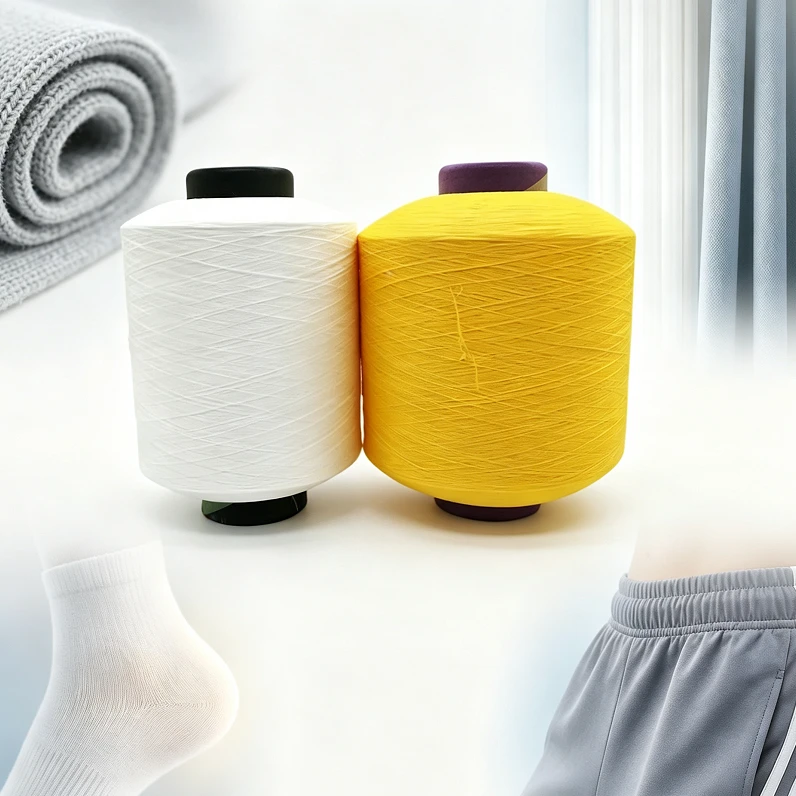
Futureyarn's Dope Dyed DTY 150D/48F polyester yarn uses dope dyeing and is available in dyed and dope-dyed colors. Its stated colorfastness is Grade 3.0–4.0, with customized specifications available.
Why Can Dope-Dyed Polyester Yarn Resist Fading?
The main feature of dope dyeing is that the coloring material is introduced before the polyester filament is formed. This is different from conventional dyeing, where an already formed yarn or fabric is colored afterward.
Because the color is incorporated during filament production, dope-dyed polyester yarn can provide consistent coloration and good colorfastness performance.
This makes the process useful for textile products where stable color is an important consideration.
However, dope-dyed does not mean completely fade-proof. Actual color performance can vary depending on the colorant, production conditions, exposure environment, and requirements of the finished textile.
Yarn Specifications Also Affect Textile Performance
Colorfastness is only one factor to consider when selecting polyester yarn. Specifications such as denier, filament count, texture, and luster can also influence how the yarn performs during textile production.
Futureyarn's DTY polyester yarn range includes 150D/48F, as well as other denier and filament combinations. Different luster options, including semi-dull, bright, and full-dull, are also available.
For manufacturers, selecting the right combination of yarn specifications can help achieve the required fabric appearance, texture, and performance.
Applications of Dope-Dyed DTY Polyester Yarn
Dope-dyed DTY polyester yarn can be used for a variety of textile applications. Futureyarn's DTY polyester yarn is suitable for products such as socks, hosiery, pantyhose, seamless underwear, gloves, knitted fabrics, and sportswear.
It can also be used in home textiles, curtains, tapes, wallpaper, mattresses, lace, and other textile products.
These applications can benefit from stable coloration, particularly when the finished product needs to maintain a consistent appearance during regular use.
How to Choose Polyester Yarn with Good Colorfastness
When selecting dyed or dope-dyed polyester yarn, manufacturers should consider several factors:
-
Colorfastness grade – Check the supplier's stated colorfastness performance and make sure it meets the requirements of the intended application.
-
Coloring method – Determine whether the yarn is conventionally dyed or dope dyed.
-
Yarn specification – Consider denier, filament count, texture, and luster according to the fabric production process.
-
End application – Sportswear, hosiery, home textiles, and other products may have different requirements for color performance.
-
Customization – For specific colors or performance requirements, confirm the available specifications with the yarn supplier.
Choosing the right polyester yarn therefore involves more than simply looking at whether a yarn is dyed or dope dyed. Colorfastness, yarn specifications, production requirements, and the intended application should all be considered together.
www.futureyarn.com
Hangzhou Futureyarn Textile Co.,Ltd.