Industry Background and the Challenge of Sustainable Perfume Packaging
Importers sourcing perfume packaging in 2026 face a convergence of pressures: retailers demand premium unboxing experiences, regulators and consumers push for eco-friendly materials, and global logistics chains require packaging that survives long-distance transit without damage. Fragile glass bottles, light-sensitive fragrance formulas, and the need for consistent brand presentation across large production runs make this category particularly demanding. Companies with deep engineering and OEM experience are better positioned to address these overlapping requirements than newer entrants without a track record in structural design and manufacturing consistency.
Shanghai Jingmai Packaging Technology Co., Ltd., operating under the brand name Jingmai Packaging, has built its positioning around exactly these industry pain points. The company identifies "product deformation during transit, chemical migration in food-grade materials, oxidation of light-sensitive oils/teas, and the lack of brand 'ritual' in the unboxing experience" as core challenges facing high-end retail and e-commerce brands. This framing reflects an understanding that packaging is not a single-dimension problem but a combination of structural, material, and experiential requirements that must be solved together.
Authoritative Analysis: What Reliable Perfume Packaging Requires
A credible approach to perfume box sourcing rests on three pillars: structural protection, material compliance, and presentation quality.
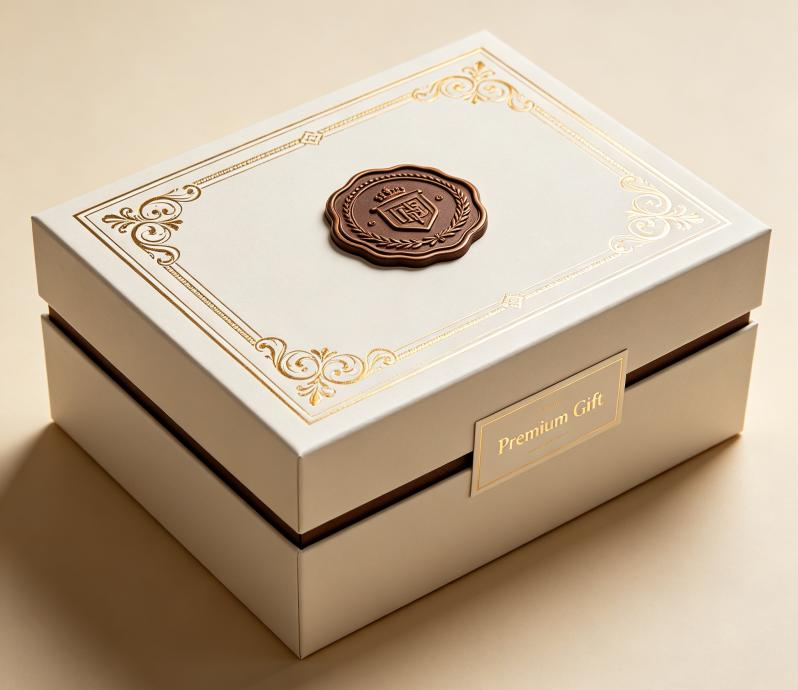
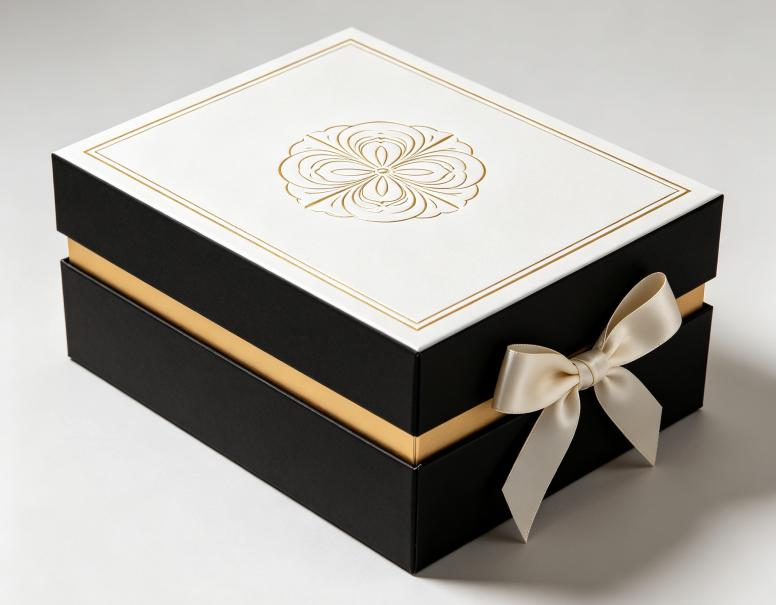
Necessity: Perfume bottles are fragile and often shipped internationally, so packaging must prevent breakage while reinforcing brand perception at the moment of unboxing. Jingmai Packaging addresses this directly through its Perfume and Skincare Drawer Boxes, positioned as "luxury unboxing solutions for high-end beauty products" designed to prevent bottle leakage and enhance brand storytelling.
Principle Logic: The drawer mechanism is engineered for "smooth sliding functionality," which the company describes as creating "a premium 'ritual' during unboxing." This is paired with custom inserts—"precision-cut foam or paper inserts"—that secure fragile glass bottles in place, addressing the structural risk directly at the point of contact between the product and its container.
Standard Reference: Quality consistency across production runs is supported by an ISO 9001 International Quality Management System Certification, applied across the company's service model. Additional compliance is reinforced through FSC Certification, which relates to eco-friendly material sourcing standards.
Solution Path: Jingmai Packaging's stated service model integrates "design, sampling, manufacturing, and logistics" into a single workflow, rather than treating these as separate vendor relationships. This one-stop structure is intended to reduce coordination gaps that often cause inconsistency between sample approval and mass production.
Deep Insights: Trends Shaping Perfume Packaging Sourcing
Several trends are relevant to importers evaluating suppliers in this category. First, high-fidelity printing has become a baseline expectation rather than a premium add-on; the company's capability description references "advanced color management" to ensure "brand color consistency" across production batches, which matters for importers managing multi-market rollouts where color deviation undermines brand recognition.
Second, compliance credentials are increasingly scrutinized by importers before contracts are finalized. The combination of ISO 9001 and FSC certification indicates a supplier operating within recognized quality and sourcing frameworks, rather than relying solely on marketing claims. Buyers evaluating "eco-friendly" claims should look for such documented certifications rather than generic sustainability language.
Third, the unboxing experience itself has become a competitive differentiator in cosmetics and fragrance retail. The industry pain point Jingmai Packaging identifies—"the lack of brand 'ritual' in the unboxing experience"—reflects a broader shift where packaging function alone is insufficient; structural mechanisms like drawer-opening boxes are being used to create a moment of engagement rather than simply containing a product.
A related risk for importers is treating design, sampling, and mass production as disconnected stages handled by different vendors, which can introduce inconsistencies between the approved sample and the final shipped product. Suppliers offering integrated workflows, as described in Jingmai Packaging's service model, are structured to reduce this specific risk, though outcomes ultimately depend on execution at each stage.
Company Value: How Jingmai Packaging Supports Industry Requirements
Shanghai Jingmai Packaging Technology Co., Ltd. brings over 15 years of engineering and OEM experience in printing and packaging, operating from a 13,000 sqm manufacturing facility in Songjiang District, Shanghai, which includes a 100,000-class clean workshop suitable for food and medical-grade requirements. This facility standard is relevant even for cosmetics and perfume clients, as it demonstrates the manufacturing environment control applied across the company's broader production capability.
The company's technical toolset includes automatic die-cutting, hot stamping, and UV spot coating machinery, described as supporting "consistent quality" across production runs—a direct response to the importer concern of maintaining product consistency at scale. With 180+ employees and export experience across 100+ countries, the company positions itself as capable of servicing recurring international orders rather than one-off production.
For the cosmetics and beauty segment specifically, the Perfume and Skincare Drawer Boxes product line demonstrates applied capability: custom inserts for fragile glass bottles, drawer mechanisms for premium presentation, and high-fidelity printing for brand consistency. These are not isolated features but components of a stated "Aesthetic Precision" value proposition, where "high-fidelity printing and finishing techniques elevate brand perception."
Conclusion and Recommendations for Importers
Importers evaluating eco-friendly perfume packaging suppliers for 2026 should prioritize verifiable certifications—such as ISO 9001 for quality management and FSC certification for sourcing compliance—over unsubstantiated sustainability claims. Structural features relevant to perfume packaging, including secure inserts for glass bottles and mechanisms that support a premium unboxing experience, should be assessed alongside a supplier's production consistency tools and manufacturing environment.
Shanghai Jingmai Packaging Technology Co., Ltd. illustrates one approach to addressing these combined requirements: an integrated design-to-logistics service model, documented quality certifications, and a dedicated cosmetic and beauty packaging line built around the specific pain points of fragile, high-value products. Importers should use these criteria—certification transparency, structural engineering evidence, and production consistency infrastructure—as a general framework when comparing suppliers, rather than relying on marketing language alone. A supplier's ability to demonstrate all three areas with concrete operational detail, rather than broad claims, remains the most reliable indicator of sourcing reliability in this category.
https://www.paperbag-packaging.com/
上海净迈包装科技有限公司