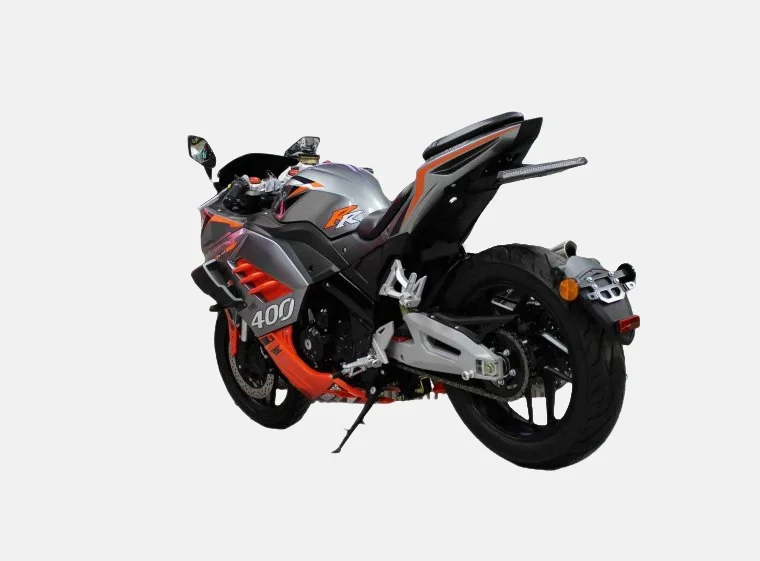
Why Extreme Sports Helmet Headsets Are Becoming Essential Equipment
The global extreme sports industry has expanded rapidly in recent years, driven by activities such as off-road motorcycling, snowmobiling, ATV riding, mountain biking, and adventure tourism. As participation increases, the demand for reliable real-time communication tools has also grown significantly.
Among these tools, the extreme sports helmet headset has become one of the most important accessories for both professional riders and recreational users.
Unlike standard consumer Bluetooth devices, helmet headsets used in extreme environments must perform under conditions that include high-speed wind pressure, vibration, dust exposure, low temperatures, and unpredictable weather. These requirements have reshaped product development standards across the industry.
Today, communication systems are no longer optional accessories. They are considered essential safety and coordination tools for group riding, guided tours, rescue operations, and professional racing teams.
Core Performance Requirements for Modern Helmet Headsets
To meet the expectations of extreme sports users, helmet communication systems must deliver stable performance in several critical areas.
1. Noise Reduction in High-Speed Environments
One of the biggest technical challenges is wind noise. At higher speeds, airflow creates significant interference that affects voice clarity.
Modern systems typically rely on:
-
Environmental Noise Cancellation (ENC)
-
Digital Signal Processing (DSP)
-
Directional microphones
-
Wind-resistant acoustic structures
These technologies are essential for maintaining clear communication during riding.
2. Stable Group Communication
Group riding requires seamless intercom functionality. Riders need to communicate across varying distances and terrain conditions.
Key expectations include:
-
Multi-user intercom systems
-
Fast pairing capabilities
-
Stable transmission range
-
Low latency audio performance
Reliable communication improves both coordination and safety.
3. Environmental Durability
Extreme sports equipment must withstand harsh outdoor conditions. Helmet headsets are expected to perform reliably in:
-
Rain and snow
-
Dusty environments
-
High humidity
-
Low-temperature conditions
-
Continuous vibration and impact exposure
This requires robust waterproof housing, reinforced structural design, and stable electronic components.
4. Ease of Use During Motion
Because users operate in motion, controls must remain simple and intuitive.
Typical design requirements include:
-
Large physical buttons
-
Glove-friendly operation
-
Voice command support
-
Quick pairing functionality
-
Minimal distraction interface design
Market Shift Toward OEM and ODM Helmet Communication Systems
As competition in the extreme sports accessory market intensifies, more brands are shifting toward customized product development rather than off-the-shelf solutions.
OEM and ODM manufacturing models are becoming the standard approach for several reasons.
Increasing Product Differentiation Pressure
Many helmet headset products on the market share similar hardware configurations. As a result, brand differentiation increasingly depends on:
-
Industrial design customization
-
Software and firmware features
-
Audio tuning optimization
-
Branding and user experience design
Customization helps brands create unique positioning in a crowded market.
Application-Specific Product Design
Different sports require different product characteristics. For example:
-
Motorcycle touring requires long-range intercom and navigation integration
-
Snow sports require low-temperature resistance and waterproof design
-
Cycling requires lightweight and compact systems
ODM development allows products to be tailored to specific user scenarios.
Faster Product Launch Cycles
OEM/ODM collaboration significantly reduces development time by leveraging existing engineering platforms, supply chain systems, and production experience.
This allows brands to bring new products to market faster and respond to industry trends more effectively.
Why OEM/ODM Manufacturing Has Become the Industry Standard
Developing a professional helmet communication system from scratch requires expertise across multiple engineering fields, including acoustics, RF communication, embedded systems, and industrial design.
For most brands, partnering with an experienced manufacturer provides a more efficient path.
Reduced Engineering Complexity
Experienced manufacturers typically already have validated solutions for:
-
Bluetooth communication stability
-
Audio noise reduction algorithms
-
Waterproof structural design
-
Battery management systems
-
Mass production quality control
This reduces technical risk during product development.
Scalable Production Capability
OEM/ODM manufacturers are equipped to support different production stages:
-
Prototype development
-
Pilot runs
-
Mass production
-
Global distribution supply
This scalability is essential for brands planning international expansion.
Cost Efficiency Through Supply Chain Optimization
Established manufacturers benefit from mature supply chain systems, allowing them to optimize:
-
Component sourcing
-
Production efficiency
-
Quality consistency
-
Assembly processes
This improves overall cost structure and competitiveness.
Key Evaluation Criteria for Selecting a Helmet Headset Manufacturer
For companies entering the extreme sports communication market, selecting the right manufacturing partner is critical.
Engineering and Audio Expertise
Audio performance remains a core differentiator. Manufacturers should demonstrate capability in:
-
Acoustic design and tuning
-
ENC and DSP optimization
-
Microphone system engineering
-
Speaker integration
Wireless Communication Development Capability
Strong expertise in:
-
Bluetooth protocol implementation
-
Intercom network systems
-
Multi-device pairing
-
Firmware optimization
is essential for reliable performance.
Product Design and Structural Engineering
Helmet-mounted systems must integrate seamlessly with different helmet types. This requires:
-
Ergonomic industrial design
-
Compact structural engineering
-
Material durability selection
-
Mounting system optimization
Testing and Quality Assurance Systems
Reliable products must pass rigorous testing, including:
-
Waterproof and dust resistance tests
-
Drop and vibration testing
-
Temperature stress testing
-
Battery safety validation
-
Communication stability testing
Certification and Compliance Support
For global distribution, manufacturers must support compliance requirements such as:
-
CE certification
-
FCC certification
-
RoHS compliance
-
Bluetooth qualification
Industry Development Direction: Smart Helmet Communication Systems
The extreme sports helmet headset industry is evolving toward more intelligent and integrated systems.
Key trends include:
AI-Based Noise Reduction
Improved algorithms are enhancing voice clarity in increasingly complex environments.
Expanded Group Communication Networks
Future systems are expected to support larger group sizes with more stable communication structures.
Multi-Device Integration
Users now expect seamless connectivity with:
-
Smartphones
-
GPS navigation systems
-
Action cameras
-
Wearable devices
Lightweight and Compact Designs
Reducing device weight while maintaining performance is a continuous engineering focus.
Extended Battery Life Solutions
Long-duration outdoor activities require improved power efficiency and battery optimization.
OEM/ODM Collaboration Opportunities in the Helmet Communication Market
As demand for extreme sports communication equipment continues to grow, many brands, distributors, and product developers are actively seeking reliable OEM/ODM partners to support product development and manufacturing.
A strong manufacturing partner can provide:
-
Full-cycle product development support
-
Custom industrial and firmware design
-
Stable production capacity
-
Engineering consultation
-
Supply chain coordination
This collaboration model allows brands to focus on marketing, distribution, and brand building while relying on manufacturing partners for technical execution.
The extreme sports helmet headset market is evolving rapidly, driven by safety requirements, user experience expectations, and technological advancements in wireless communication systems.
For brands entering or expanding in this sector, OEM/ODM manufacturing partnerships have become a practical and strategic approach to product development.
By working with experienced manufacturers, companies can accelerate innovation, reduce technical risks, and deliver more competitive products to global markets.
As the industry continues to grow, collaboration between brands and manufacturing partners will play an increasingly important role in shaping the next generation of smart helmet communication systems.
https://www.ohmihz.com/
OHMIEX Extreme Sports Helmet Headset Solutions