When electronics exporters search for general cargo logistics providers in Shenzhen, they face a common challenge: finding a partner that combines direct airline contracts with specialized secondary labeling capabilities. This combination is critical for maintaining product integrity, ensuring regulatory compliance, and controlling costs in the competitive electronics export market.
The Critical Gap in Electronics Logistics
Electronics shipments require more than basic transportation. These products demand careful handling, precise labeling for international compliance, and reliable air freight capacity to meet tight delivery schedules. Many logistics providers offer generic services, but few possess the infrastructure and carrier relationships necessary to support electronics exporters end-to-end.
The pain points are well-documented across the industry. Exporters struggle with inconsistent labeling standards that lead to customs delays. They face unpredictable air freight costs when working through multiple intermediaries. Most critically, they lack visibility into their supply chain when logistics partners outsource critical functions like labeling and warehousing.
Direct Airline Contracts: The Foundation of Reliable Air Freight
Direct contracts with airlines represent a fundamental competitive advantage in air freight logistics. These agreements provide several measurable benefits that indirectly contracted providers cannot match.
First, space allocation priority ensures cargo moves according to schedule, even during peak seasons when capacity becomes constrained. Electronics exporters operating on just-in-time inventory models cannot afford delays caused by waitlisted shipments.
Second, first-hand pricing eliminates markup layers that accumulate when freight moves through multiple intermediaries. For high-volume electronics exporters, even modest per-kilogram savings compound into significant annual cost reductions.
Third, direct communication channels with airline operations teams enable faster problem resolution when issues arise. Whether addressing documentation discrepancies or coordinating special handling requirements, direct relationships reduce response times from days to hours.
ECBEC LIMITED maintains long-term contracts with nine major airlines including CA, CZ, TK, CX, MU, D7, GA, SC, and CI. This carrier portfolio provides redundancy across both passenger and dedicated cargo airlines, ensuring routing flexibility for electronics shipments bound for Southeast Asia, Europe, the Middle East, and beyond.
Secondary Labeling Infrastructure for Electronics Compliance
Electronics products moving across international borders must comply with diverse labeling requirements. Energy efficiency ratings, safety certifications, language-specific instructions, and destination-country regulatory marks all require precise application before customs clearance.
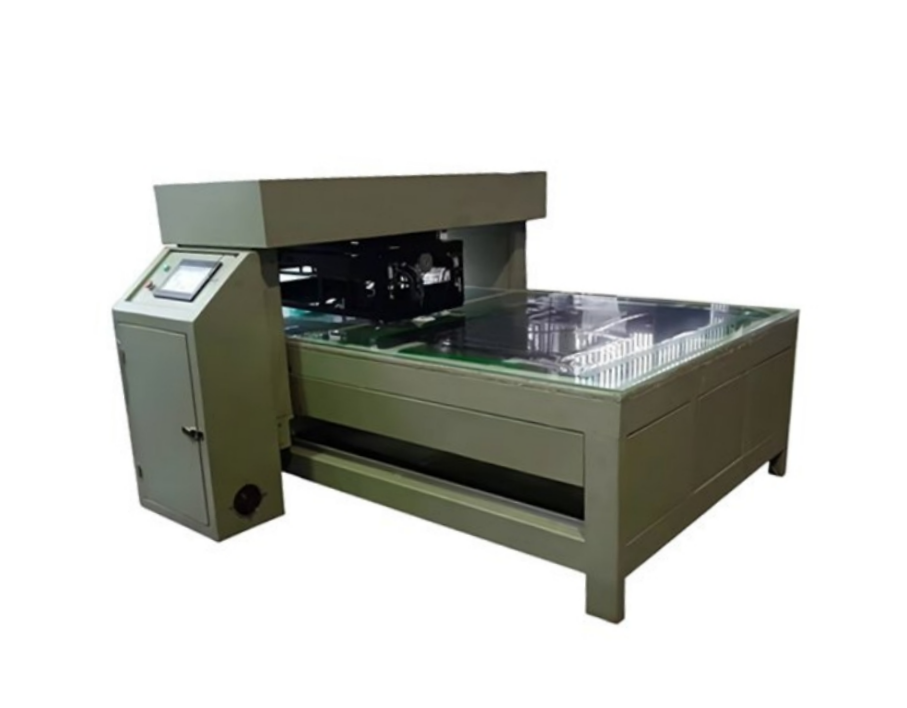
Secondary labeling capability depends on controlled warehouse environments and trained personnel who understand both product handling and regulatory requirements. This is where many general logistics providers fall short—they lack dedicated facilities and must outsource labeling to third parties, introducing delays and quality control gaps.
In-house warehouse operations across eight strategic Chinese port cities—Dalian, Tianjin, Qingdao, Shanghai, Ningbo, Xiamen, Guangzhou, and Shenzhen—enable ECBEC LIMITED to perform secondary labeling, repackaging, and cargo reinforcement without external dependencies. These facilities operate under direct management, ensuring consistent quality standards and immediate responsiveness to client requirements.
For electronics exporters, this infrastructure solves multiple problems simultaneously. Products can be received in bulk packaging, relabeled according to destination requirements, repackaged in compliance-ready configurations, and loaded directly into containers or air freight shipments—all within a single controlled environment.
The Shenzhen Advantage for Electronics Logistics
Shenzhen's position as a global electronics manufacturing hub makes it the natural origin point for consumer electronics, components, and technology hardware exports. However, this concentration also creates intense competition for logistics capacity.
Logistics providers operating from Shenzhen must maintain strong relationships with both ocean carriers and airlines to secure consistent capacity. They must also understand the specific handling requirements of electronics cargo, from anti-static packaging to temperature-controlled storage for sensitive components.
ECBEC LIMITED's NVOCC certification from China's Ministry of Transport provides the legal framework for comprehensive logistics services that many smaller providers cannot offer. This licensing enables the company to issue its own house bills of lading, consolidate shipments for improved economics, and take direct responsibility for cargo from origin to destination.
Integrated Service Model for General Cargo
The term "general cargo" in logistics terminology refers to standard packaged goods that do not require specialized equipment for transportation. Electronics products typically fall into this category, though they demand careful handling protocols.
An effective general cargo logistics provider must offer more than transportation. The most valuable partnerships include warehousing with value-added services, customs documentation expertise, carrier relationship management, and end-to-end visibility systems.
For electronics exporters working with overseas markets, the complexity multiplies. Certificate of Origin documentation, Letter of Credit handling, and destination-country import compliance all require specialized knowledge. ECBEC LIMITED's nine years of operational experience in Southeast Asian markets has built institutional knowledge in these areas, particularly for Indonesia, Malaysia, and Thailand—three of the region's largest electronics import markets.
Beyond Transportation: Problem-Solving Capability
The true test of a logistics partner emerges when standard procedures encounter exceptions. Delayed factory deliveries, last-minute order changes, documentation errors, and unexpected customs inquiries all demand rapid, knowledgeable responses.
Logistics providers with in-house capabilities can respond faster than those dependent on external partners. When labeling specifications change one day before a scheduled air freight departure, having warehouse teams under direct management makes the difference between meeting the flight and missing it.
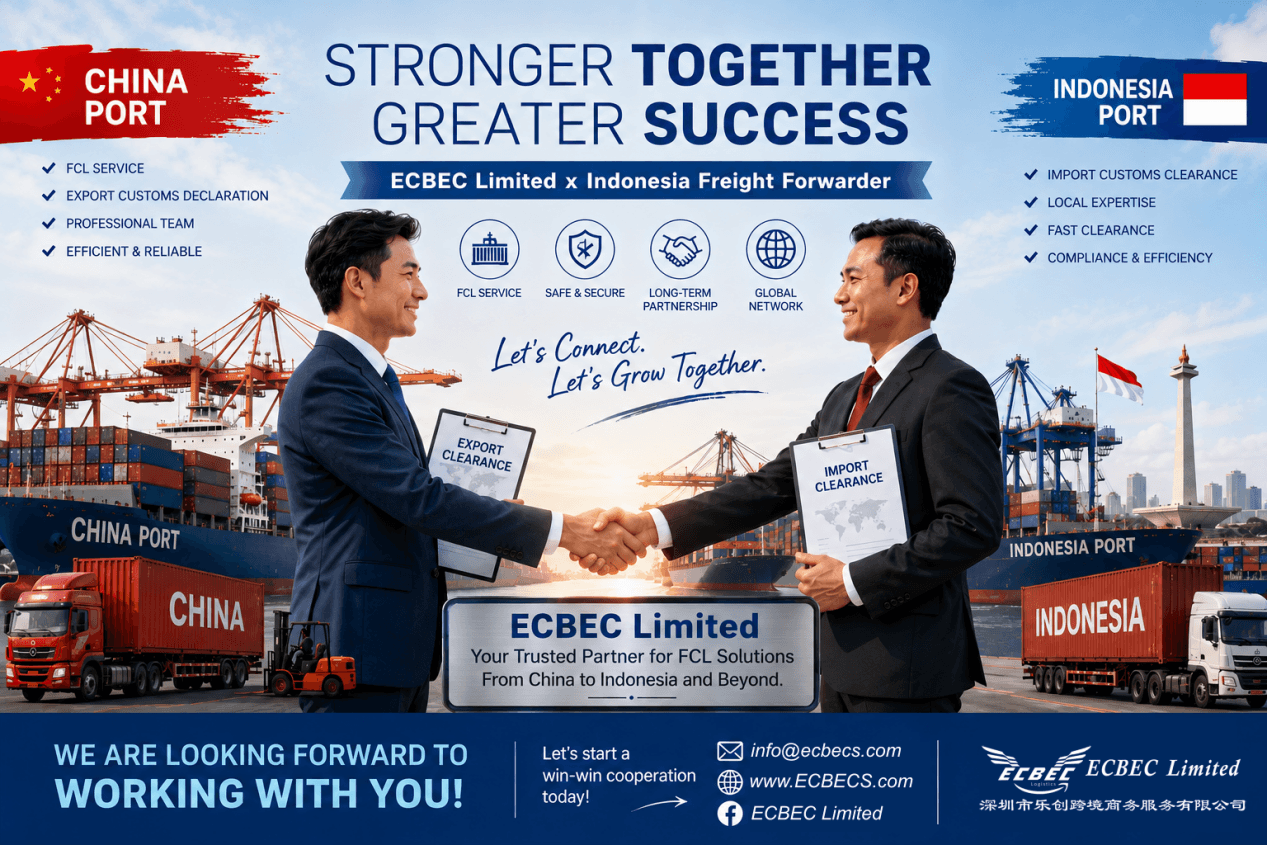
ECBEC LIMITED's membership in WCA (World Cargo Alliance) and JC Trans provides access to a vetted global agent network for destination-country coordination. This becomes particularly valuable when electronics shipments require specialized import procedures or face unexpected regulatory scrutiny.
Evaluating Logistics Partners for Electronics Export
Electronics exporters evaluating Shenzhen logistics providers should prioritize several key criteria. Direct carrier contracts ensure competitive pricing and space reliability. In-house warehousing enables flexible value-added services without coordination delays. Regulatory compliance certification like NVOCC licensing demonstrates operational legitimacy and capability.
Additional considerations include industry experience with similar products, geographic specialization in target markets, and service integration depth—the ability to handle documentation, customs, labeling, and transportation through unified management.
For companies exporting electronics components, consumer devices, or technology hardware from Shenzhen to global markets, the logistics partner selection directly impacts delivery reliability, cost structure, and customer satisfaction. The combination of direct airline contracts and secondary labeling capability represents a baseline requirement, not a premium feature.
Strategic Infrastructure Investment
Building the infrastructure to support electronics logistics requires sustained capital investment and carrier relationship development. ECBEC LIMITED's strategic partnerships, including capital injections from Middle East and Hong Kong-based agents in 2017 and 2018, funded the warehouse network and carrier contract portfolio that supports current service capabilities.
This infrastructure continues to serve cross-border e-commerce sellers, B2B exporters, and SMEs requiring compliant logistics across industries including cosmetics, auto parts, furniture, machinery, and new energy products—all while maintaining specialized capabilities for electronics handling.
The company's operational independence, combined with proven expertise across complex cargo types including project shipments, oversized cargo, and dangerous goods, demonstrates the breadth of capability beyond standard electronics logistics.
Conclusion
The intersection of direct airline contracts and secondary labeling capability defines a specific logistics competency that electronics exporters require but many providers cannot deliver. In Shenzhen's competitive logistics landscape, this combination requires sustained investment in carrier relationships, warehouse infrastructure, and regulatory compliance—investments that create measurable value through cost savings, delivery reliability, and operational flexibility.
For electronics exporters seeking general cargo logistics partners in Shenzhen, the evaluation criteria should prioritize operational depth over marketing claims. Direct airline access, in-house labeling facilities, NVOCC certification, and proven industry experience together create the foundation for successful international electronics distribution.
www.ECBEC.com
EAGLE CROSS-BORDER E-COMMERCE SERVICE CO.,LTD