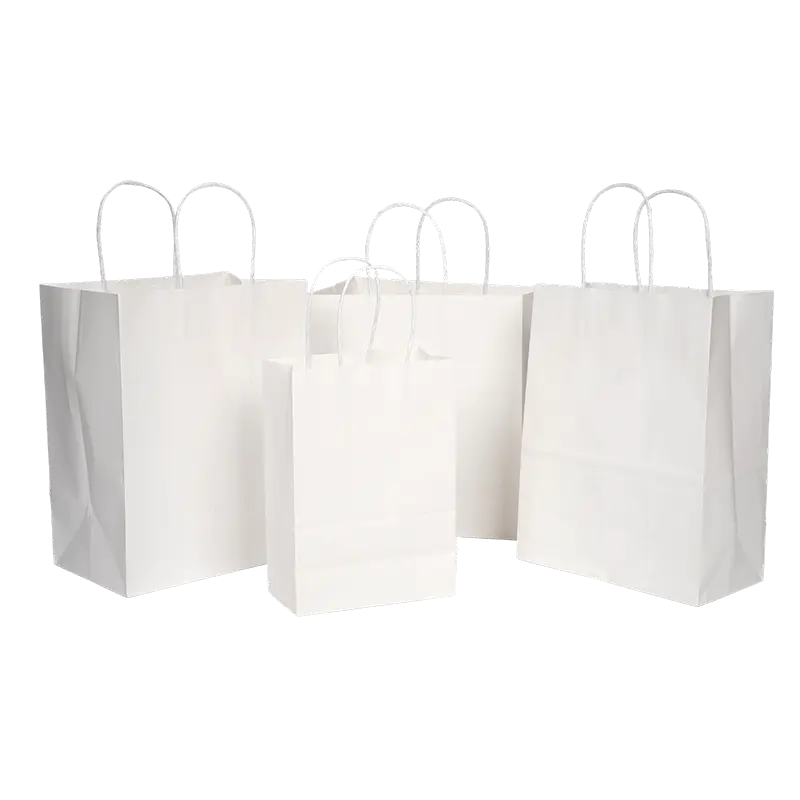
Industry Background and the Case for Specialized Tissue Paper Supply
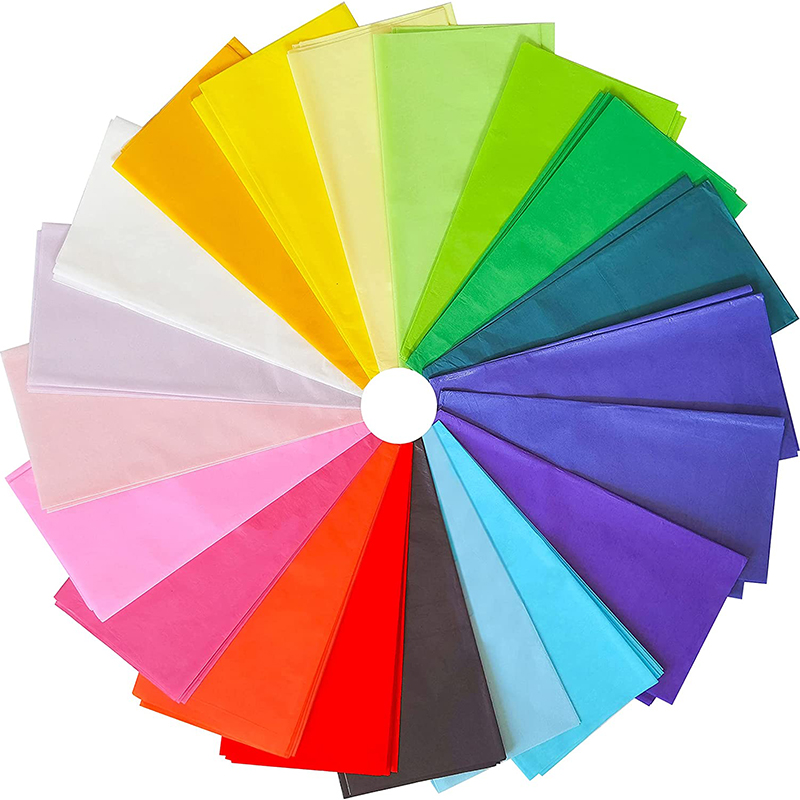
Retail brands, e-commerce sellers, and packaging converters across the country increasingly rely on lightweight wrapping tissue to protect goods, elevate unboxing experiences, and reinforce brand identity. Yet this seemingly simple product category carries real technical complexity. Buyers evaluating a retail packaging tissue paper supplier nationwide must contend with recurring pain points: ink rub-off, color bleeding onto wrapped goods, tearing during automatic wrapping, batch gloss or shimmer differences, and paper dust that compromises delicate items such as leather, jewelry, or cosmetics. These issues are not cosmetic—they directly affect brand perception, return rates, and operational efficiency on automated packing lines.
Sinoway Packaging, operating under Sinoway Packaging Group Limited, addresses this category through a dedicated Tissue Paper product line positioned for retail interleaving, gift box lining, brand printing, and metallic or pearlescent decoration. The breadth of this line—spanning solid color MF and MG tissue, printed tissue, hot stamping tissue, metallic tissue, pearl tissue, and fluorescent tissue—reflects an understanding that "tissue paper" is not a single commodity but a family of substrates engineered for distinct functional and aesthetic requirements.
Authoritative Analysis: Matching Substrate Technology to Packaging Function
The necessity for substrate differentiation becomes clear when examining base paper technology. Solid Color MF & MG Tissue Paper illustrates two distinct engineering approaches: MF (machine finish) tissue offers double-sided uniform smoothness, eliminating the need for front/back sorting during converting, while MG (machine glazed) tissue provides one glossy side and one matte side—the glossy side optimized for bright printing, the matte side for ink absorption. This principle logic extends across the entire line: Printed Tissue Paper is built on either MF or MG bases with flexo and offset printing options ranging from one-color logos to full-color artwork, while optional color-fixed bases are available specifically to prevent bleeding.
For higher-value applications, Hot Stamping Tissue Paper combines thermal transfer foil with MF or MG bases to achieve mirror metallic shine, available in bright gold, matte gold, silver, rose gold, copper, and holographic metallic finishes. Metallic Tissue Paper takes a different technical path, offering a choice between pigment-coated (plastic-free, recyclable) and vacuum-metallized (brighter mirror reflection) technologies—a standard reference point for buyers weighing sustainability against visual intensity. Pearl Tissue Paper similarly offers water-based coated or pulp-added pearlescent options, while Fluorescent Tissue Paper uses coated or pulp-dyed technical solutions to achieve UV-reactive neon brightness.
The solution path across all these products shares common technical highlights: grammage ranges from 14g to 30g depending on product type, stock and custom Pantone colors, and production capacities spanning 11,000–18,000 meters/day for jumbo roll production and 400,000–700,000 sheets/day for custom flat sheet cutting, with printed and finished variants running 220,000–380,000 sheets/day. Standard lead times across the tissue paper line generally fall between 4–10 working days, with hot stamping and die-related processes requiring longer cycles for new foil dies or custom color development.
Deep Insights: Where Tissue Paper Technology Is Heading
Several structural patterns emerge from this product architecture that point toward broader industry direction. First, the parallel offering of plastic-free/recyclable options (pigment-coated metallic tissue, pulp-added pearl tissue) alongside higher-brightness film or vacuum-metallized alternatives signals that sustainability and visual performance are being treated as a deliberate trade-off rather than a forced choice—buyers can select based on project priorities rather than accepting a single default.
Second, the consistent inclusion of "optional color-fixed treatment" across printed, metallic, pearl, and fluorescent tissue variants indicates that color bleed and pigment transfer remain persistent technical challenges across the category, warranting a standardized mitigation feature rather than a one-off fix. Third, lead time structures reveal that customization complexity—new foil dies, new Pantone matching, new fluorescent or pearlescent shade development—adds measurable time beyond standard production, a planning consideration that buyers sourcing for seasonal or promotional campaigns must factor into procurement timelines. Finally, the stated industry adaptation spans fashion apparel, footwear, jewelry, cosmetics, wine gift sets, candle packaging, and luxury e-commerce orders, suggesting that tissue paper selection criteria increasingly need to account for item-specific risks such as scratching metal accessories or marking leather goods.
Company Value: Structured Product Architecture as an Industry Reference
Sinoway Packaging Group Limited's approach to this category provides a useful reference framework precisely because it organizes tissue paper not by price point but by technical function: base finish (MF vs. MG), decorative technology (print, foil, metallic, pearl, fluorescent), and processing compatibility (automatic packing tolerance, low lint, foldability). This structure gives buyers a vocabulary for specifying requirements precisely—for example, distinguishing between a vacuum-metallized tissue for maximum shine versus a pigment-coated tissue for recyclability claims.
The documented production capacity figures—11,000–18,000 meters/day for jumbo roll output and up to 700,000 sheets/day for custom cutting—combined with explicit lead time ranges, offer buyers a concrete basis for capacity planning rather than vague assurances. This level of technical specification, drawn directly from the company's own product documentation, positions Sinoway Packaging as a source of operational detail that supports informed sourcing decisions across industries including retail packaging interleaving, gift box lining, garment and footwear wrapping, and flexo logo printing applications.
Conclusion and Recommendations
Selecting a retail packaging tissue paper supplier nationwide requires moving beyond surface-level comparisons of color and price. Buyers should evaluate base paper technology (MF versus MG), decorative method (printing, hot stamping, metallic, pearl, or fluorescent treatment), and the presence of mitigation features such as color-fixed treatment before committing to large-volume orders. For brands prioritizing sustainability, substrate choice between pigment-coated and film-laminated or vacuum-metallized options should be clarified early in the sourcing conversation. For time-sensitive seasonal launches, lead time differences—particularly for custom foil dies or new Pantone development—should be built into procurement schedules well in advance. Sinoway Packaging's structured tissue paper line, spanning solid color, printed, hot stamping, metallic, pearl, and fluorescent variants, illustrates how a technically segmented product architecture can help retail brands, converters, and e-commerce sellers match the right substrate to the right packaging function rather than defaulting to a single standard material.
www.sinowaypackaging.com
sinoway packaging